

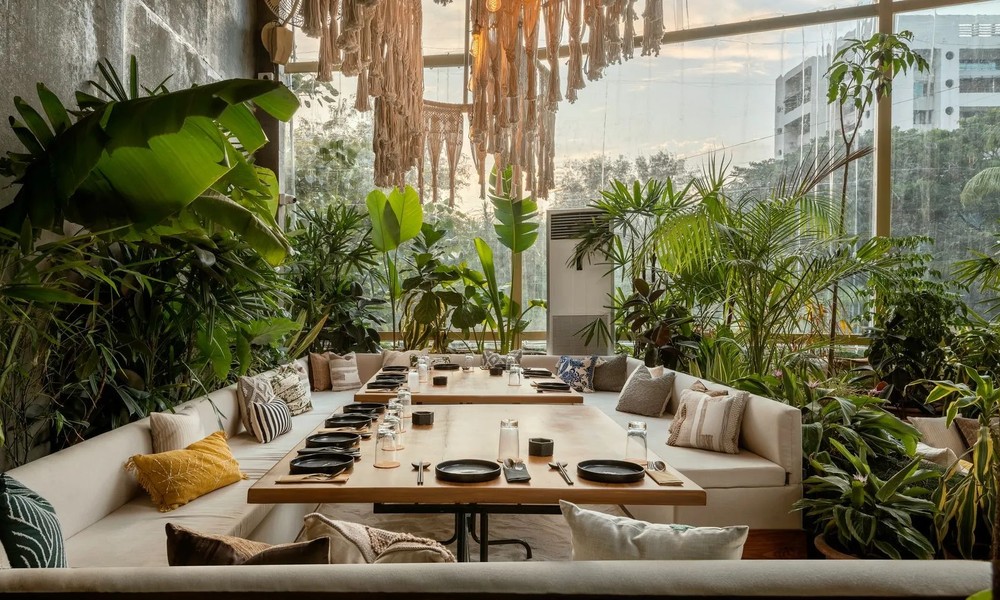
Within the competitive world of hospitality, restaurants are constantly searching for innovative ways to distinguish themselves. Greenery-whether in the form of living or artificial plants-has emerged as a design priority, offering both aesthetic softness and the psychological benefits of nature. The ambience of a restaurant influences guest perceptions from the moment they step inside, and greenery is widely recognized for creating inviting, relaxing spaces. For many diners, the sight of leaves and trees signals freshness and an escape from urban bustle. However, caring for live trees in high-traffic restaurant environments poses challenges, such as the need for proper sunlight, irrigation, and ongoing maintenance. In response, many venues now opt for realistic artificial trees to enjoy the look and feel of natural greenery without the added complexity of upkeep.
How Artificial Trees Shape Ambiance, Zoning, And Acoustics
Artificial trees serve more than a purely decorative role in restaurant interiors. Thoughtfully positioned, they can delineate zones within an open dining space, guiding guests naturally from entrance to bar to table. Used as focal points, tall faux trees draw the eye and help define seating areas, making social areas feel more intimate. This approach is particularly effective in open-plan layouts where privacy or noise reduction is a concern. Artificial greenery can help diffuse sound, dampening noise from clinking glasses or lively conversation and contributing to a more comfortable acoustic experience. In entryways, lush faux trees establish a sense of arrival, while in waiting areas they offer a calming respite. For outdoor patios or rooftop dining, artificial options guarantee year-round greenery, unaffected by weather fluctuations or seasonal changes, ensuring the same visual appeal in every season.
Customer Psychology: Biophilic Design Without The Upkeep
The sense of calm associated with natural elements is supported by research into biophilic design. Even when guests recognize that a tree is artificial, the presence of greenery can still evoke the restorative feelings linked to nature. In windowless dining rooms, basement bars, or locations subject to extreme indoor climates, artificial trees replicate the look of lush foliage where living plants cannot survive. Innovations in materials and workmanship have produced faux trees with highly realistic bark, nuanced leaf shapes, and carefully weighted branches, making them indistinguishable from the real thing at a glance. A thoughtfully designed green environment subtly communicates care, attention, and a desire for guest comfort, reinforcing brand stories that revolve around themes such as farm-to-table freshness or wellness. Without concerns over wilted leaves or soil spills, operators can maintain a polished, inviting interior that remains consistently attractive.
Practical Considerations When Selecting And Placing Artificial Trees
Choosing the right artificial tree involves more than simply matching a theme. Considerations of ceiling height, views, traffic flow, and even cleaning all play a role. Overly large installations may overwhelm a space or block important sightlines, while modular options offer flexibility for seasonal events or private parties. Placing artificial trees near communal tables or around built-in seating can create cozy pockets and foster a sense of gathering. Integrating tree bases into existing furniture layouts helps maximize usable floor area, and careful attention to access ensures that routine cleaning and dusting are manageable. For longevity and guest safety, restaurants often choose options made from durable and flame-retardant materials. Those hoping to explore the breadth of designs available can artificial trees for restaurants here, where hospitality-specific details and customization are prioritized.
Integrating Artificial Trees Into A Broader Experiential Concept
The strongest impact comes when artificial greenery is seamlessly incorporated into a restaurant’s overall concept. Layered with thoughtful lighting, tree canopies can become ambient sources of glow that shift from day to night, subtly enhancing mood at every hour. Designers often weave the greenery theme into menu curation, introducing dishes or drinks inspired by gardens, forests, or fresh botanicals. In the age of social media, lush artificial trees are sometimes positioned to frame photogenic corners, encouraging guests to capture and share their visit. Maintaining a balance between vibrant green focal points and simpler, more open areas helps prevent visual clutter, preserving both comfort and clarity. When aligned with the broader identity and sensory cues of the environment, artificial trees can play a key role in building memorable, welcoming spaces that keep guests coming back.