

You might be feeling a little uneasy about your mouth right now. Maybe you have a sore that has not healed, a patch that looks different, or a nagging worry because someone you know was diagnosed with oral cancer and you are wondering if you could miss the same warning signs. It is very human to push those thoughts aside and hope everything is fine. It is also very human to feel a rush of fear when you think about the word “cancer.” If you are concerned, talking to a trusted dentist in Valencia CA can be an important step toward peace of mind.
Here is the quiet truth. Most people who develop oral cancer never expected it. Many had regular lives, busy schedules, and no time to think about one more medical appointment. Then a routine visit with a general dentist changed everything, because that is where early signs are often spotted.
So where does that leave you. In a good place, actually. Because early oral cancer is often small, painless, and easy to overlook at home, yet it is exactly the stage when it is most treatable. General dentistry is not only about cleanings and fillings. It is one of the most reliable ways to catch oral cancer early, when treatment is simpler and outcomes are far better.
In short, here is the big picture. Oral cancer can be serious, but it is often detectable in its early stages during routine dental visits. Your dentist is trained to examine your mouth, tongue, and throat for subtle changes you would probably never notice yourself. Regular checkups give you repeated chances to catch problems early rather than discovering them when they are already advanced.
Why is early oral cancer detection so easy to miss at home
Oral cancer does not usually start with dramatic symptoms. It often starts quietly. A flat white or red patch. A small lump. A sore that does not heal. Many people assume it is just a bite, a burn from hot coffee, or irritation from a sharp tooth. Because of this, they wait. Weeks turn into months.
According to the National Institute of Dental and Craniofacial Research, thousands of new cases of oral cancer are diagnosed each year in the United States, and the risk climbs with age and with habits like tobacco or heavy alcohol use. Yet even people without any obvious risk factors can be affected. You can see more detailed numbers from the NIDCR oral cancer statistics.
So the first problem is that the early stage of the disease is quiet. The second problem is that life is busy. You might postpone your cleaning because of work, kids, or finances. You might feel embarrassed about the condition of your teeth or gums and avoid the chair altogether. All of that is understandable, yet it creates gaps where early signs can hide.
Then there is the emotional weight. The thought of cancer can trigger a kind of freeze response. You might think, “If I do not ask, I will not have to deal with the answer.” That fear is real. However, the sooner something suspicious is checked, the more options you have, and the more control you keep.
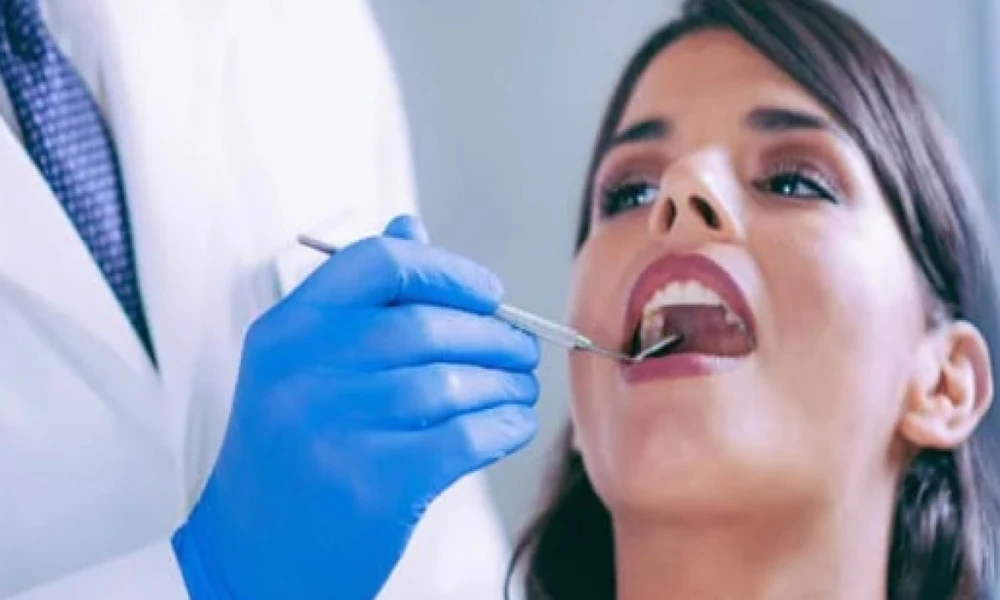
This is where the quiet power of routine dental care for oral cancer screening comes in. Your dentist looks at your mouth with trained eyes, under good light, from angles you cannot see in your bathroom mirror. They know what a harmless ulcer looks like and what does not fit the usual pattern. They can feel under your tongue, along your jaw, and in your neck for lumps or firmness that should not be there.
How does a general dentist actually help find oral cancer early
When you sit down for a checkup, you probably think mostly about your teeth. Yet a good general dentist is quietly doing something more. They are performing an oral cancer screening as part of your exam. The American Dental Association has evidence based guidelines on oral cancer screening that help dentists know what to look for and when to investigate further. You can read more about those recommendations in the ADA oral cancer guideline.
That screening usually includes a careful look at your:
Your lips and the corners of your mouth.
The inside of your cheeks.
The roof and floor of your mouth.
Your tongue, including the sides and underneath.
Your gums and the back of your throat.
Your jawline and neck, feeling for enlarged or firm lymph nodes.
You might not even realize this is happening, because it often feels like a normal part of the exam. The dentist may gently pull your tongue aside with gauze, ask you to say “ah,” and press along your neck. They are checking for color changes, unusual textures, lumps, or areas that bleed or ulcerate without a clear cause.
So what happens if they see something. This is where fear can spike, but it is also where having a calm, experienced professional matters. Many suspicious spots are not cancer at all. They might be irritation from a broken tooth or denture, a fungal infection, or a minor injury. Your dentist may choose to watch the area for a couple of weeks, treat it if they suspect infection, or refer you to an oral surgeon or specialist for a biopsy if it does not improve.
The key is that you are no longer alone with your worry. You have someone who can sort the harmless from the serious, and who knows when to act quickly. That is the quiet value of early oral cancer screening by your dentist. It turns vague anxiety into a clear plan.
What are the real tradeoffs of skipping or keeping regular dental visits
You might be wondering how much difference routine dental visits for oral cancer screening really make. It can help to see the tradeoffs laid out side by side, especially when you are weighing your time, money, and emotional energy.
| Choice | Short-term reality | Long-term health impact | Emotional impact |
|---|---|---|---|
| Regular general dentistry visits with oral cancer checks | Cost of visits and time off work. Mild discomfort or anxiety before appointments. | Higher chance of catching oral cancer early when treatment is less invasive and survival rates are better. Better overall oral health. | Initial nerves, then growing peace of mind from being monitored. Clear answers if something looks unusual. |
| Irregular or no dental visits | No immediate cost or scheduling stress. Ongoing worry about that “one spot” you keep noticing. | Greater risk that if oral cancer develops, it will be found later when it may be larger and harder to treat. | Lingering uncertainty. Possible shock if a late diagnosis occurs, with fewer options and more intense treatment. |
Research from the National Institute of Dental and Craniofacial Research explains that survival is strongly linked to the stage at which oral cancer is diagnosed. Early stage cancers often have far better outcomes than advanced ones. You can find more information about symptoms and stages through the NIDCR’s resource on oral cancer signs and treatment.
So while skipping a checkup might feel easier today, it quietly raises the stakes for tomorrow. Regular visits create a pattern of watchfulness that keeps small changes from slipping through the cracks.
What can you do right now to protect yourself
You may be wondering what practical steps you can take without feeling overwhelmed. The goal is not perfection. It is progress and awareness.
1. Schedule and keep routine dental exams, even if you feel fine
If it has been more than six to twelve months since your last checkup, choose a general dentist you feel you can talk to and make an appointment. When you call or schedule, you can simply say, “I am also interested in an oral cancer screening.” This is a normal request. It also signals to the office that this matters to you.
During the visit, if the dentist does not mention a screening, you can gently ask, “Could you also check for any signs of oral cancer while you are examining my mouth.” A good provider will understand and respond to that concern.
2. Learn the basic warning signs and pay attention between visits
You do not need to become your own doctor, but you can learn a few red flags. These include:
A sore in your mouth that does not heal within two weeks.
White or red patches that do not go away.
A lump, thickening, or rough spot in your mouth or on your lips.
Unexplained numbness or pain in the mouth or lips.
Difficulty chewing, swallowing, or moving your tongue or jaw.
If you notice any of these, do not wait for your next routine visit. Call a dentist and ask to be seen sooner. Say exactly what you have noticed and for how long. Early attention is not overreacting. It is wise.
3. Reduce your risk factors where you can
Some risks are outside your control, like age or family history. Others can be changed over time. Oral cancer is more common in people who use tobacco, drink heavily, or spend long periods in the sun without lip protection.
If you smoke or use smokeless tobacco, consider this another reason to cut back or quit. If you drink often, try to reduce how much and how frequently. Use a lip balm with sun protection when outdoors. These changes do not guarantee you will never face oral cancer, but they lower your risk and support the work your dentist is doing to keep you safe.
Moving forward with more confidence and less fear
You might still feel some worry, and that is normal. No one enjoys thinking about cancer. Yet you now know that you are not helpless. Early detection through general dentistry gives you a real advantage. It turns silent risk into something that is watched, checked, and managed.
Each time you sit in the chair for a cleaning or exam, you are not just caring for your teeth. You are giving yourself another chance to catch problems early, when they are smaller and more treatable. That is the quiet strength of ongoing oral cancer screening during routine dental care.
You deserve answers, not uncertainty. You deserve care that looks beyond the surface and takes your worries seriously. The next step is simple. Reach out to a trusted general dentist, schedule a visit, and speak openly about your concerns. From there, you and your dentist can watch your oral health together, one visit at a time.