

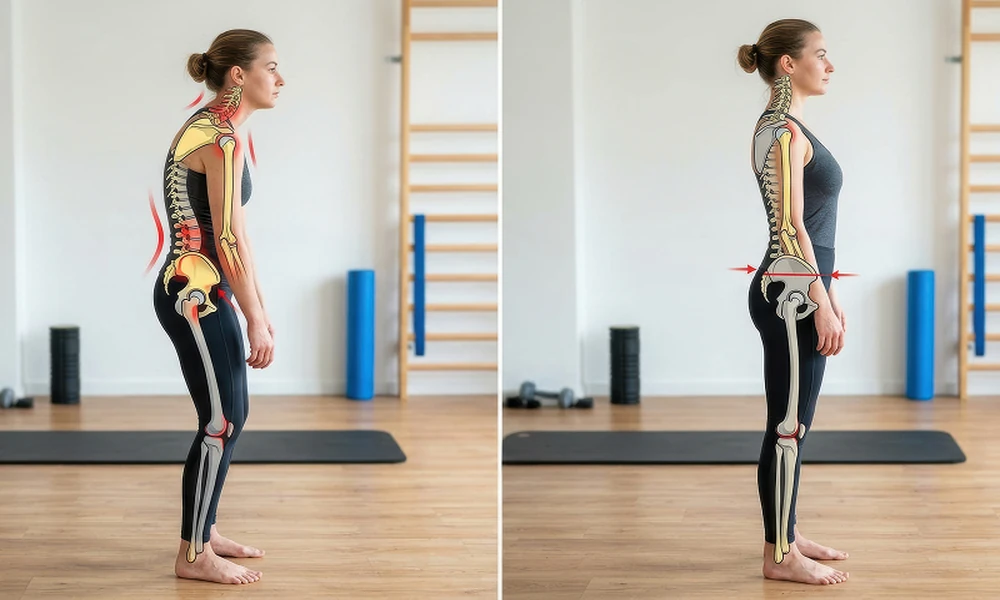
Scoliosis describes an abnormal sideways curvature of the spine, which may also involve rotation of the vertebrae. It can vary considerably in severity and presentation, so the appropriate approach depends on the individual rather than the label alone.
People researching scoliosis in Singapore may have different concerns. Some may have noticed changes in posture, shoulder or hip height, while others may have received a diagnosis and want to understand what happens next.
Assessment is important because scoliosis management can depend on factors such as age, skeletal maturity, curve characteristics, symptoms and whether the curvature is changing. Specialist assessment can help establish which factors matter most in a particular case.
1. Consider the Type of Curve
Scoliosis is not one uniform condition. The location and pattern of the spinal curve can differ between individuals.
A clinician may examine posture, spinal alignment and movement before deciding if further investigation is appropriate. Imaging may provide additional information about the curve and its characteristics.
Understanding the curve can help put later treatment discussions into context.
2. Review Symptoms and Functional Changes
Some people with scoliosis experience little or no pain, while others may have discomfort, stiffness or changes in physical function.
Pay attention to changes in everyday activities. Difficulty standing for long periods, altered movement or persistent pain may be relevant to the consultation.
Symptoms should not automatically be attributed to scoliosis. A specialist may need to consider other possible causes as part of the assessment.
3. Understand Why Monitoring May Be Recommended
Monitoring can form part of scoliosis treatment in Singapore, depending on the individual’s circumstances.
Follow-up appointments may be used to assess whether the curve remains stable or changes over time. The frequency and type of monitoring depend on factors such as age, growth and the characteristics of the curvature.
A monitoring plan does not mean that nothing is being done. It can be an active way of tracking the condition and deciding if further intervention becomes appropriate.
4. Discuss Treatment Options
Treatment depends on the individual’s age, symptoms, curve characteristics and other clinical factors.
Possible approaches can include observation, physiotherapy or other conservative measures in selected cases. Some people may require more specialised intervention, while surgery may be considered for certain severe or progressive curves.
It is useful to ask what the aim of each recommended treatment is. Goals can differ between reducing symptoms, maintaining function, controlling progression or addressing structural concerns.
5. Ask About Daily Activities
People often want to know if scoliosis should change exercise, work or other daily activities. The answer depends on the individual.
Instead of avoiding activities without medical advice, discuss your routine with a clinician. Explain the physical demands of work, exercise or hobbies so recommendations can be considered within your actual lifestyle.
A practical treatment plan should take daily function into account.
6. Discuss Long-Term Follow-Up
Scoliosis may require monitoring beyond the first consultation. The need for follow-up depends on the person’s circumstances and response to management.
Ask how progress will be assessed and what symptoms should prompt an earlier review.
Understanding the follow-up plan can reduce uncertainty and help you recognise changes worth reporting.
Discussion Points
Before discussing scoliosis in Singapore, consider asking:
- What type of curve is present?
- How severe is it?
- Is the curve stable?
- Are my symptoms likely to be related?
- What is the purpose of the recommended treatment?
- How frequently should the condition be reviewed?
- Which changes should prompt another consultation?
Understanding scoliosis involves more than identifying the presence of a spinal curve. Symptoms, curve characteristics, monitoring, treatment goals, daily activities and follow-up all contribute to the wider picture. People considering scoliosis treatment in Singapore can use these discussion points to prepare for a more focused consultation and understand why a particular management approach may be recommended.
Contact Achieve Spine & Orthopaedic Centre to discuss scoliosis concerns and arrange an appropriate specialist assessment.