

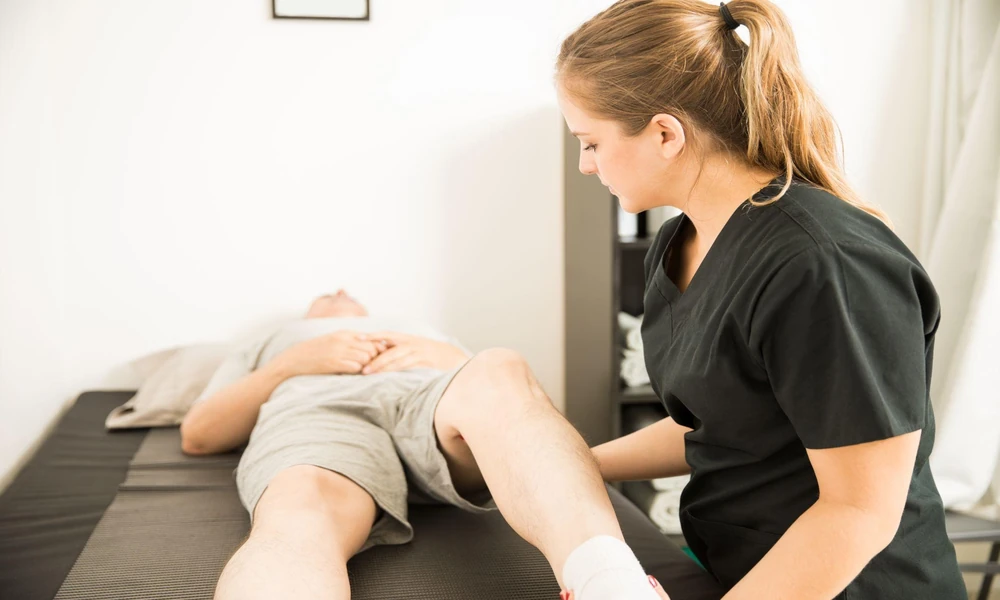
The Weeks Before Surgery Are Part of the Recovery
Athletes preparing for ACL surgery in Singapore often treat the operation as the starting line, with rehabilitation beginning once they wake up. The weeks beforehand matter more than that framing suggests. Knee swelling, range of movement, and quadriceps strength at the point of surgery all influence how the early recovery period goes, and these are things a patient can work on in advance. Four preparation steps are worth taking seriously before the operation date, and each should be discussed with your own surgical and physiotherapy team, since individual circumstances vary considerably.
1. Complete a Prehabilitation Programme
Prehabilitation aims to reduce swelling, restore as much range of movement as possible, and rebuild quadriceps strength before surgery. A knee that is swollen and stiff going into an operation tends to be harder to rehabilitate afterwards, and quadriceps weakness present beforehand generally persists into the recovery period.
Your physiotherapist will set a programme suited to your specific injury, and the value of following it consistently is one of the clearer things patients can influence. This is a matter for your own clinical team rather than a general exercise plan, since what is appropriate depends on the injury pattern and any associated damage.
2. Understand the Graft Choice and What It Means for Recovery
ACL reconstruction uses a graft, and several options exist, each with different characteristics regarding donor site, healing, and recovery considerations. Your orthopaedic doctor in Singapore will recommend an option based on your injury, activity level, and individual factors.
Ask what is being proposed and why, what the recovery implications are for that specific choice, and what the alternatives would involve. Understanding this before surgery makes the recovery period easier to navigate, since you’ll know what to expect rather than interpreting each stage as it arrives.
Preparation Checklist Before Surgery
- Prehabilitation programme followed consistently as directed by your physiotherapist
- Graft choice discussed with your surgeon, along with its recovery implications
- Post-operative rehabilitation arranged and first appointments scheduled in advance
- Home set up for limited mobility, including crutch use and stair access
- Time away from work or sport planned realistically with your employer or coach
- Questions about timelines and return-to-sport criteria raised before the operation
3. Arrange Rehabilitation and Practical Support in Advance
Rehabilitation typically begins within days of surgery, and arranging your physiotherapist and initial appointments beforehand avoids a gap at a stage when early progress matters. Confirm who will provide rehabilitation, where, and how soon after the operation the first session should occur.
Practical arrangements deserve equal attention. Early mobility is limited, so consider how you’ll manage stairs, whether anyone can assist at home during the first week, how you’ll travel to appointments, and whether your living space needs rearranging. Sorting this beforehand removes decisions from a period when you’ll have less capacity to handle them.
4. Set Realistic Expectations About Timelines
Return-to-sport timelines after ACL reconstruction vary considerably between individuals and depend on the specific procedure, any associated injuries, and progress through rehabilitation milestones rather than elapsed time alone. Figures circulating among athletes are averages at best and often optimistic.
Discuss with your surgeon and physiotherapist what criteria will guide your return, since progression is generally based on achieving specific functional and strength benchmarks rather than reaching a date on a calendar. Planning time away from sport and working around a realistic picture, rather than a hoped-for one, reduces the frustration that comes with an unexpectedly extended recovery.
Bringing Your Questions to the Pre-Operative Consultation
The pre-operative appointment is the right place to raise anything unclear, including what the procedure involves, what pain management to expect, what the first fortnight typically looks like, and what would prompt you to contact the clinic during recovery. Patients who arrive with written questions generally leave better informed than those relying on recalling them at the moment. Any concerns about your suitability for surgery, existing medical conditions, or current medications should also be raised directly with your orthopaedic doctor in Singapore rather than resolved from general information.
Contact Auspicium Orthopaedic Centre to discuss your pre-operative preparation and rehabilitation planning ahead of ACL reconstruction.