

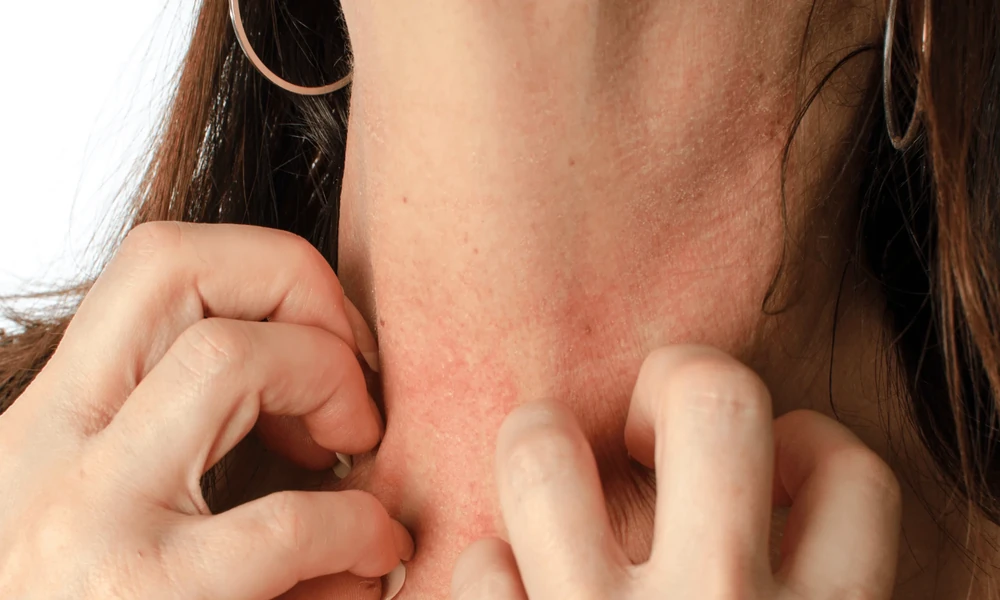
Many individuals experience skin problems that seem to worsen during periods of stress. This is not a coincidence. Medical research now reveals a powerful, two-way relationship between our emotional state and physical health.
Atopic dermatitis, a common form of eczema, illustrates this clearly. Recent clinical data shows it affects up to 25% of children and 10% of adults globally. This high prevalence underscores the need for comprehensive treatment strategies.
The skin is far more than a passive barrier. It is an active organ that communicates directly with the brain. When a person feels stressed or worried, the body can release chemicals that trigger inflammation. This process often leads to visible flare-ups.
For those living with a chronic inflammatory skin condition, this cycle can be frustrating. Persistent itching and discomfort disrupt daily life. Understanding this biological dialogue is the first step toward breaking the cycle.
Effective management must therefore look beyond creams and ointments. A holistic approach considers psychological wellbeing as a core part of therapy. Addressing mental health can be a vital component in calming the skin.
Key Takeaways
- This article examines how psychological health influences physical skin conditions.
- Atopic dermatitis is a widespread issue, impacting a significant portion of the global population.
- Grasping the link between mental state and skin is essential for patients with persistent symptoms.
- The brain and skin are in constant communication, which can precipitate uncomfortable flare-ups.
- Clinical evidence supports integrating mental health care into chronic eczema management plans.
- A holistic treatment strategy addresses both the mind and the body for better outcomes.
Understanding the Anxiety and Eczema Connection
The visible discomfort of atopic dermatitis often reflects deeper psychological struggles. As researcher Jacob Thyssen from Copenhagen University Hospital notes, clinicians must recognise the clear suffering these patients endure.
It is obvious that patients with atopic dermatitis suffer significantly from their condition.
This observation underscores a vital clinical truth. The relationship between dermatological and mental wellbeing is a growing field of study.
Many people report their skin condition deteriorates during high-stress periods. This suggests a strong biological link between the two systems.
Recognising the impact of this inflammatory disease on overall health is crucial. It is the first step toward developing more effective, holistic management strategies.
Clinicians now see the skin as a mirror for internal psychological states. This is particularly relevant in cases of chronic dermatitis, where emotional and physical symptoms are intertwined.
A professional and empathetic clinical approach is therefore essential. It addresses not just the physical rash but the person’s entire wellbeing.
The Role of Stress in Skin Inflammation
Clinical surveys consistently point to psychological pressure as a primary catalyst for dermatological symptoms. The 2020 National Eczema Society ‘Eczema Unmasked’ survey identified stress as the single biggest trigger for flare-ups. This data firmly links a person’s mental state to their physical skin health.
Stress as a Trigger for Eczema
The body’s fight-or-flight response releases hormones like cortisol. These chemicals can directly stimulate inflammatory pathways. Many individuals report their atopic dermatitis worsens during difficult life periods when managing pressure feels impossible.
Chronic vs Acute Stress Effects
It is crucial to distinguish between short-term and long-term stress. Acute stress causes a temporary reaction. Chronic stress, however, leads to sustained, low-grade inflammation that is far more damaging to the skin’s barrier.
| Type of Stress | Typical Duration | Primary Physiological Effect | Impact on Skin Condition |
|---|---|---|---|
| Acute | Short-term (minutes to days) | Sharp spike in stress hormones (e.g., cortisol) | May trigger a single, temporary flare-up that subsides quickly. |
| Chronic | Long-term (weeks to years) | Persistently elevated inflammatory markers | Leads to ongoing skin barrier dysfunction and severe, hard-to-manage symptoms. |
Psychological Impacts on Skin Health
Psychological distress can directly modulate immune responses that affect the skin. This relationship forms a core part of psychodermatology. The field examines how mental states influence cutaneous conditions.
How Anxiety Elevates Inflammation
Scientific research indicates that worry can enhance type 2 immunity. This pathway is crucial in developing skin inflammation. When active, it prompts inflammatory cells to target the skin barrier.
Patients reporting high distress often see their cutaneous health decline. This creates a frustrating cycle. Discomfort leads to more psychological strain, which worsens physical symptoms.
The inflammatory nature of atopic dermatitis means minor mental shifts matter. Even small changes can weaken the skin’s protective function. Researchers are exploring how neuroinflammation drives this process.
Maintaining good mental wellbeing helps regulate immune responses. It is a key defence against dermatitis flare-ups. This approach supports the skin’s natural resilience.
| Psychological State | Primary Immune Response | Impact on Skin Barrier |
|---|---|---|
| Acute Psychological Stress | Temporary cortisol spike | May trigger a short-lived flare |
| Chronic Distress | Sustained type 2 immunity activation | Persistent dysfunction and vulnerability |
| Managed Mental State | Regulated inflammatory markers | Improved integrity and reduced reactivity |
Eczema and Mental Health: A Holistic Perspective
Medical assessments now compare the life impact of atopic dermatitis to that of other serious chronic illnesses. Research indicates its effect on patient wellbeing is similar to conditions like epilepsy or diabetes. This comparison underscores why a narrow focus on skin alone is insufficient.
A holistic perspective is essential for effective care. Treating this inflammatory skin disease requires more than topical solutions. Supporting mental health is a vital component for improving daily existence.
Many individuals find their routine profoundly disrupted. Social interactions and physical comfort are often compromised. Addressing both the body and mind helps clinicians foster more stable, long-term skin health.
| Condition | Physical Discomfort | Social & Emotional Impact | Daily Management Burden |
|---|---|---|---|
| Atopic Dermatitis | Persistent itching, pain, sleep loss | Stigma, embarrassment, social withdrawal | Complex skincare routines, trigger avoidance |
| Epilepsy | Seizure activity, post-episode fatigue | Fear of public episodes, driving restrictions | Medication schedules, safety precautions |
| Diabetes | Neuropathy, energy fluctuations | Dietary anxiety, long-term health worries | Blood glucose monitoring, insulin management |
Viewing the person as a whole, rather than just their symptoms, leads to better outcomes. This integrated approach recognises the deep interplay between physical state and mental wellbeing. It is the cornerstone of modern, compassionate dermatological care.
Research Insights and Recent Studies
Focus group discussions with individuals living with a chronic skin condition reveal common struggles with identifying triggers. Contemporary investigations blend patient-reported experiences with clinical analysis. This offers a richer understanding of how daily life affects dermatological health.
Patient Perspectives and Survey Evidence
A study at Karolinska University Hospital engaged 28 participants in detailed conversations. These patients highlighted the significant role of psychological pressure in their atopic dermatitis. Their personal accounts provide vital qualitative data.
Large-scale surveys support these findings. The National Eczema Society’s 2020 ‘Eczema Unmasked’ report presented compelling statistics:
- 57% of female respondents cited stress as a major trigger.
- 41% of male respondents reported the same.
This gender-disaggregated evidence underscores a widespread experience.
Clinical Findings on Stress and Eczema
A key insight from this research is patient confusion. Many people find it hard to separate environmental allergens from the impact of mental strain on their skin. This complicates personal management efforts.
Clinical data gathered from these groups suggests a critical distinction. Participants reported that persistent, long-term worry was a more significant factor in worsening their dermatitis than short-term pressure. This aligns with the understanding of chronic inflammation’s damaging effects.
These collective insights form a solid foundation. They justify the integration of mental wellbeing strategies into standard dermatological care plans.
Daily Stressors and Life Challenges
Clinical interviews reveal that predictable life events can be just as disruptive as major crises for skin health. Individuals in studies consistently point to work overload and school exam periods as significant psychological triggers. Even planned, demanding situations can precipitate a flare-up of atopic dermatitis.
Navigating these routine challenges while managing a chronic condition adds a considerable burden. The unpredictable nature of symptoms can make patients feel overwhelmed. Their personal life is frequently disrupted by the need to manage discomfort and complex care routines.
Identifying specific stressors is therefore a crucial step. Beyond work or exams, issues like financial pressures or family conflicts often underpin sustained psychological strain. Pinpointing these sources helps individuals understand their unique triggers.
This awareness is the foundation for developing practical management strategies. Addressing life challenges directly can prevent the escalation of stress. It is a proactive way to help patients regain a sense of control over their skin health.
Coping Strategies for Managing Anxiety and Eczema
Beyond medical treatments, individuals can adopt practical techniques to lessen the impact of psychological strain on their skin. A proactive approach is essential for breaking the frustrating cycle of discomfort and worry.
Building a personal toolkit of strategies empowers people to manage their condition more effectively. These methods focus on calming the nervous system and supporting overall resilience.
Mindfulness and Relaxation Techniques
Mindfulness practices are effective for managing the distress that often accompanies a skin flare-up. They help shift focus away from itching and create mental space.
Simple techniques include focused breathing exercises and guided meditation. Consistent practice can lower the body’s general state of arousal. This makes it a vital skill for patients to develop.
Benefits of Physical Exercise
Regular physical activity is a cornerstone of a holistic management plan. Research indicates it helps lower stress hormones like cortisol and adrenaline.
This physiological change directly counteracts one driver of inflammation. Many people report that consistent exercise helps them feel more in control of their wellbeing.
By incorporating these coping strategies, individuals can better navigate the demands of living with a chronic skin condition like eczema. A combined approach often yields the most stable results.
Personal Stories and Patient Experiences
Anecdotal evidence from patients often highlights surprising and deeply personal triggers for their skin flare-ups. These narratives give vital context to the clinical data, revealing the profound emotional toll.
One individual working in a Swedish convenience store reported a specific trigger. They noted intense pruritus seemed to follow moments of observing their customers’ stressed facial expressions.
After reflecting on the worried looks of people coming into the shop, my itching would start. It felt like a direct, physical reaction to their stress.
This story illustrates how external emotional cues can manifest internally. For many, the social impact of visible symptoms is severe.
Feelings of isolation are common, as social engagements become sources of anxiety. The challenge extends far beyond physical discomfort.
| Aspect of Life | Physical Challenge | Emotional & Social Challenge |
|---|---|---|
| Daily Comfort | Persistent itching, sleep disruption | Frustration, exhaustion, managing routines |
| Social Interaction | Risk of scratching in public | Embarrassment, stigma, withdrawal from activities |
| Self-Image | Visible rash, dry patches | Reduced confidence, preoccupation with appearance |
Sharing these experiences builds a sense of community for those struggling. It underscores the need for empathy in managing a condition like eczema. Understanding the full picture is crucial for effective support.
Innovative Treatments and Therapy Options
Recent clinical data underscores the dual benefits of specific pharmacologic interventions on physical symptoms alongside mental wellbeing. This marks a significant shift in managing chronic inflammatory skin conditions.
A retrospective analysis revealed that individuals administered the biologic agent dupilumab demonstrated a 24% reduced likelihood of developing anxiety. They also showed a 30% reduced likelihood of experiencing depression over time. This systemic treatment offers substantial relief from persistent pruritus as well as associated psychological distress.
Modern dermatological care now increasingly integrates medical with psychological strategies. Clinicians acknowledge that addressing cognitive and emotional factors is crucial for effective management of atopic dermatitis. Such an integrated approach promotes superior long-term outcomes.
Role of Cognitive Behavioural Therapy
Cognitive behavioural therapy (CBT) constitutes an innovative treatment modality. It assists patients in restructuring maladaptive thought patterns related to their condition. This psychological intervention can diminish the impact of stress on cutaneous symptoms.
These therapeutic advancements provide genuine hope. They support patients who have historically struggled to attain effective relief for their chronic dermatological condition. The clinical landscape is evolving to address these complex needs comprehensively.
Diet, Sleep and Lifestyle in Reducing Inflammation
Clinical evidence increasingly highlights non-pharmacological factors in sustaining remission from atopic dermatitis. Lifestyle modifications form a foundational part of a holistic management plan. They support the body’s natural repair processes and help regulate systemic inflammation.
Impact of Quality Sleep on Skin Health
Research indicates a stark disparity in rest patterns. Individuals with this inflammatory skin condition are two to four times more likely to experience sleep disturbances. This directly compromises their overall cutaneous health.
Poor sleep is a major driver of increased inflammation. It hinders the body’s ability to repair tissue during the night. The skin barrier cannot restore itself effectively without adequate, restorative rest.
Maintaining a nutritious diet and a consistent sleep schedule are therefore essential. These changes help reduce the severity of dermatitis for many patients. Furthermore, sleep quality acts as a critical mediator.
It influences the relationship between the cutaneous condition and the development of related neuropsychiatric disorders. By prioritising sleep and nutrition, patients foster a more stable internal environment. This allows their skin to heal and remain resilient.
Professional Support and Guidance
The complexity of managing inflammatory skin diseases underscores the importance of seeking structured support from specialised organisations.
For many patients, navigating daily care while coping with symptoms can feel overwhelming. Professional support offers a crucial lifeline, providing access to expert resources and tailored advice.
Surgical Arena Ltd provides professional resources to help individuals navigate the complexities of managing chronic inflammatory skin conditions like dermatitis. Connecting with such organisations can significantly improve a patient’s quality of life.
Expert guidance ensures patients receive the latest information on treatment options. This support helps them make informed decisions about their health management.
| Type of Professional Resource | Primary Benefit for Patients | Impact on Daily Management |
|---|---|---|
| Structured Educational Materials | Provides clear, evidence-based information on condition management. | Reduces confusion and empowers informed self-care. |
| Access to Specialist Advice | Offers personalised strategies for flare-up prevention and care. | Helps tailor routines to individual needs and triggers. |
| Connection to Support Networks | Fosters community and reduces feelings of isolation. | Improves mental resilience and long-term coping ability. |
Building a strong professional network is essential. It helps individuals maintain stability and confidence throughout their healthcare journey.
Expert Insights: Advice from The Psychodermatologist
Cutting-edge insights from specialists reveal that the sensation of itch is not merely a local skin issue but a complex neurological event. The Psychodermatologist offers expert guidance on this brain-skin dialogue, providing valuable advice for patients managing chronic dermatitis.
Joy Wan of Johns Hopkins University emphasises treating the whole person and their mental health. Gil Yosipovitch from the University of Miami adds that brain-imaging studies show regions activated by itch are also involved in neuropsychiatric conditions.
Chronic itch may send direct signals to the brain that affect mood.
This research validates a core experience for many patients. It confirms that psychological stress is a legitimate, central part of their skin health journey.
Expert advice helps individuals understand their stress levels deserve professional attention and integrated care. This approach is fundamental for effective long-term management.
Impact on Different Age Groups
The experience of atopic dermatitis varies significantly across the lifespan, presenting distinct hurdles for young patients and older individuals. While the inflammatory condition can affect anyone, its management and psychological toll differ greatly between age brackets.
Children versus Adults in Eczema Challenges
Ongoing research like the PEDISTAD study is crucial. It tracks 1,845 children aged 0-11 with moderate-to-severe atopic dermatitis to map its long-term effects.
Young patients often face a unique struggle. They may lack the vocabulary to articulate the distress caused by their persistent skin condition. This can make identifying their needs more complex for caregivers.
In contrast, adults with dermatitis frequently report higher levels of depression and anxiety. The cumulative burden of managing a chronic disease impacts their mental health profoundly.
It is vital for parents to recognise that children with this condition require extra emotional support. Tailored treatment plans that address age-specific challenges benefit both children and adults.
Such personalised approaches consider how dermatitis uniquely affects daily life and wellbeing at different stages. Effective care for all patients must be adaptable.
Preventative Measures and Daily Routines for a Quality Life
Proactive habits form the cornerstone of long-term management for atopic dermatitis. Establishing a consistent daily schedule helps individuals regulate their internal environment. This structure is vital for maintaining a healthy barrier.
A predictable routine aids patients in managing their stress levels effectively. Lower psychological strain directly supports a better quality life. It reduces the frequency of inflammatory episodes.
Preventative actions are essential for protecting skin health. Regular moisturising maintains barrier function. Avoiding known triggers, like harsh soaps, prevents flare-ups.
| Daily Habit | Primary Purpose | Key Benefit for Patients |
|---|---|---|
| Consistent Moisturising | Strengthen skin barrier | Reduces dryness and vulnerability to irritation |
| Trigger Identification & Avoidance | Prevent inflammatory response | Minimises unexpected flare-ups |
| Dedicated Relaxation Time | Lower systemic stress | Improves emotional resilience with calmness |
| Regular Physical Activity | Modulate inflammation | Supports overall health while reducing symptom severity |
By focusing on these habits, individuals can reduce the impact of their condition. A proactive approach fosters greater wellbeing, contributing to a sustained quality life.
Future Research and Evolving Treatment Approaches
The next frontier in dermatology involves deciphering the precise biological pathways that connect cutaneous inflammation to neurological outcomes. Future studies aim to clarify how systemic therapies for atopic dermatitis can prevent neuropsychiatric conditions in patients over time.
Evolving treatment approaches focus on the mechanisms linking skin inflammation to the brain. This offers new hope for individuals managing chronic symptoms.
Scientists are conducting more robust research to distinguish a key point. They need to know if dermatitis worsens existing neurocognitive issues or creates symptoms that mimic them.
| Research Focus Area | Primary Objective | Expected Impact on Patient Care |
|---|---|---|
| Systemic Therapy Neuroprotection | To prevent the onset of psychological comorbidities. | More holistic treatment plans that protect both mind and body. |
| Brain-Skin Axis Mechanisms | To map the inflammatory signals between the skin and nervous system. | Development of novel drugs that interrupt this communication pathway. |
| Immune System Targeting | To create highly specific immunomodulators. | Personalised, effective treatments with fewer side effects for patients. |
Ongoing investigation into the immune system will likely yield more targeted options. The future lies in a deeper understanding of how the skin and nervous system communicate. This knowledge will fundamentally reshape treatment paradigms.
Conclusion
The journey towards stable skin health for those with eczema involves more than topical treatments. It demands consistent attention to psychological wellbeing.
A holistic strategy is essential. This approach treats the physical inflammation of dermatitis while supporting mental state. It leads to better control and outcomes.
Patients are encouraged to seek professional guidance. Building daily routines helps maintain skin integrity and emotional resilience against stress. This foundation supports a better quality life.
Ultimately, understanding the brain-skin dialogue empowers individuals. They can manage their chronic condition with greater confidence and fulfilment.