

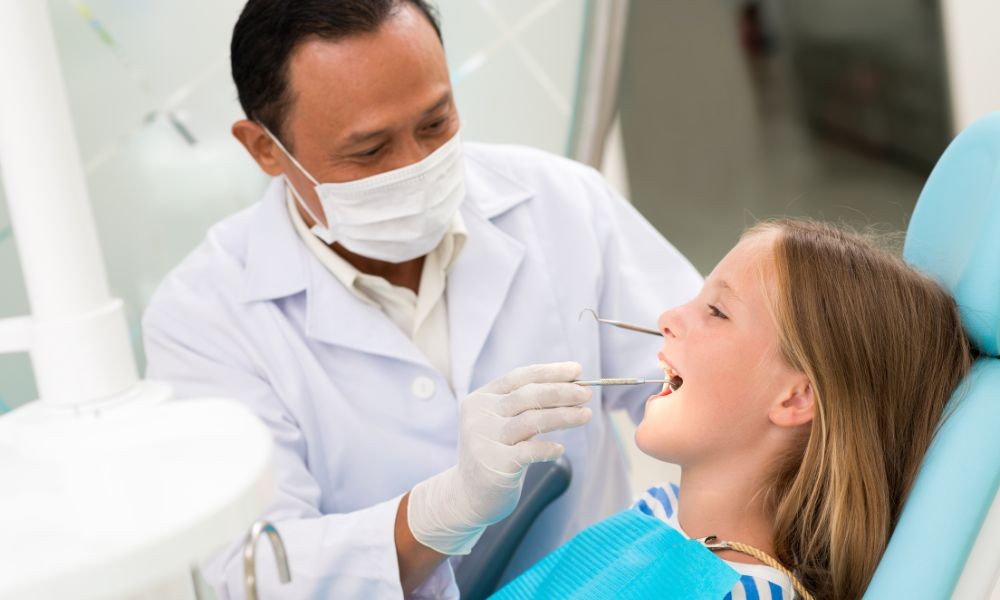
Orthodontists specialise in diagnosing, preventing, and treating misaligned teeth and jaw irregularities. Correcting these issues is important not only for a confident smile but also for overall oral health, as misalignment can lead to chewing difficulties, speech problems, and an increased risk of tooth decay or gum disease. Understanding how orthodontists work helps patients feel more comfortable with treatment and informed about their options-especially when searching for a dentist office near me to receive the right care and guidance.
Diagnosis and Treatment Planning
The first step in correcting misaligned teeth is a thorough evaluation. Orthodontists assess the alignment of teeth, jaw structure, bite, and facial symmetry. They may use X-rays, photographs, and dental impressions to gather precise information. Based on this data, a personalised treatment plan is created, outlining the steps, estimated duration, and the most suitable appliances for correcting the misalignment.
Braces
Traditional braces are a widely used method to straighten teeth. Braces consist of brackets attached to the teeth and connected by wires, which are periodically tightened to apply gentle pressure. This pressure gradually moves the teeth into their desired positions. Modern braces use smaller, more comfortable brackets and wires, making treatment more effective and less intrusive. Braces can correct a wide range of issues, from mild crowding to severe bite problems.
Clear Aligners
Clear aligners, such as Invisalign, offer a discreet alternative to traditional braces. These removable, transparent trays are custom-made for each patient and worn for 20 to 22 hours a day. The aligners gradually shift teeth into alignment, and patients receive a new set every one to two weeks. Clear aligners are especially popular among adults and teenagers who want a less noticeable treatment option.
Retainers and Post-Treatment Care
Once the teeth are properly aligned, orthodontists provide retainers to maintain the results. Retainers are custom-made devices that prevent teeth from shifting back to their original positions. Patients are advised to wear retainers as recommended, sometimes for several years, to ensure long-term stability of the treatment outcomes. Regular follow-up visits help monitor alignment and oral health after active treatment.
Benefits of Orthodontic Treatment
Correcting misaligned teeth improves both appearance and function. Properly aligned teeth are easier to clean, reducing the risk of cavities and gum disease. A correct bite distributes chewing forces evenly, preventing jaw pain and wear on teeth. Additionally, orthodontic treatment enhances speech and boosts self-confidence by creating a harmonious smile.
Conclusion
Orthodontists use a combination of diagnosis, braces, clear aligners, and retainers to correct misaligned teeth. Through careful planning and consistent monitoring, they guide teeth into proper alignment, improving oral health and overall well-being. Whether using traditional braces or modern clear aligners, orthodontic treatment provides lasting benefits, helping patients achieve both functional and aesthetically pleasing smiles.