

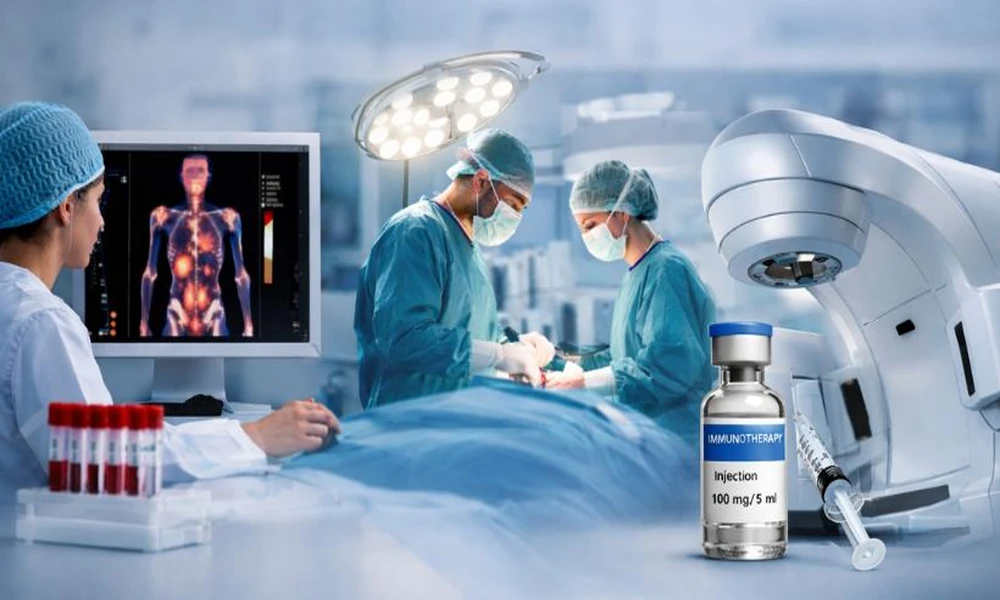
When a cancer diagnosis arrives, the first question most patients and families ask is: “What are our options?” For those living in or near Mumbai, the answer is more reassuring than ever. Cancer treatment in Mumbai has evolved remarkably over the past decade, with world-class facilities, cutting-edge technology, and highly specialised oncologists now accessible across the city.
This article walks you through the modern treatment options available today, what to expect from each, and how finding the right specialist can make all the difference in your treatment journey.
Why Mumbai Has Become a Hub for Advanced Oncology Care
Mumbai is home to some of India’s most reputed hospitals and cancer centres, attracting patients not just from across the country but from neighbouring nations as well. The city offers a rare combination of diagnostic precision, surgical expertise, and supportive care infrastructure.
Several factors contribute to Mumbai’s standing as a leading oncology destination:
- Access to internationally trained oncologists and surgeons
- State-of-the-art diagnostic and imaging equipment
- Multidisciplinary tumour boards that review complex cases collectively
- Availability of clinical trials and newer treatment protocols
- Strong post-treatment rehabilitation and survivorship support
For patients seeking a cancer specialist in Mumbai, this ecosystem means they are not just getting treatment; they are getting coordinated, comprehensive care.
A Closer Look at Modern Cancer Treatment Approaches
Gone are the days when cancer treatment meant only surgery, radiation, or chemotherapy. Today, oncology is a sophisticated field with highly targeted, personalised options that improve outcomes while minimising side effects.
Surgical Oncology
Surgery remains one of the most effective primary treatments for many solid tumours. However, modern surgical oncology is far more refined than it once was. Minimally invasive techniques, robotic-assisted surgery, and organ-preserving procedures have significantly improved patient recovery times and quality of life.
For head and neck cancers in particular, surgical precision is critical. The proximity of tumours to vital structures like the airway, nerves, and major blood vessels demands a specialist with exceptional skill and experience.
Radiation Therapy
Modern radiation therapy has moved well beyond conventional approaches. Techniques such as Intensity-Modulated Radiation Therapy (IMRT), Image-Guided Radiation Therapy (IGRT), and Stereotactic Body Radiotherapy (SBRT) allow oncologists to deliver high doses of radiation with pinpoint accuracy, sparing healthy surrounding tissue.
These advances have made radiation therapy far more tolerable for patients, with fewer long-term side effects compared to older methods.
Chemotherapy
Chemotherapy continues to play an important role, particularly in treating systemic cancers or as an adjunct to surgery and radiation. Newer drug combinations and delivery methods have improved its effectiveness while reducing some of the more difficult side effects that patients associate with the treatment.
Targeted Therapy
This is one of the most significant advances in modern oncology. Targeted therapy uses drugs designed to attack specific proteins or genetic mutations that drive cancer cell growth, leaving healthy cells largely unaffected. It is particularly effective in cancers where a specific genetic driver has been identified through molecular testing.
Immunotherapy
Immunotherapy works by activating or enhancing the body’s own immune system to recognise and destroy cancer cells. Checkpoint inhibitors, a class of immunotherapy drugs, have produced remarkable results in several cancer types, including head and neck cancers, lung cancer, and melanoma. This treatment represents a paradigm shift in how oncologists think about fighting cancer.
Hormone Therapy
For hormone-sensitive cancers such as certain breast and prostate cancers, hormone therapy works by blocking the body’s production of specific hormones or preventing cancer cells from using them. It is often used in combination with other treatments for better outcomes.
Bone Marrow and Stem Cell Transplant
For blood cancers like leukaemia and lymphoma, stem cell transplants offer the possibility of a cure by replacing damaged or cancerous bone marrow with healthy stem cells. Mumbai’s specialised oncology centres are well-equipped to handle these complex procedures.
The Importance of a Multidisciplinary Approach
One of the most important shifts in modern oncology is the move toward multidisciplinary care. Rather than a single doctor making all decisions, today’s best cancer centres bring together surgical oncologists, medical oncologists, radiation oncologists, pathologists, radiologists, and supportive care specialists to discuss each patient’s case collaboratively.
This team-based approach ensures that no treatment option is overlooked and that the plan is truly tailored to the individual patient’s cancer type, stage, overall health, and personal preferences.
Personalised Medicine and Genomic Testing
Advances in genomic testing now allow oncologists to analyse the genetic profile of a patient’s tumour and design treatment plans accordingly. This concept of personalized medicine is changing treatment outcomes significantly, as therapies can be matched more precisely to what is likely to work for each unique case.
Palliative Care: An Essential Part of the Journey
Modern cancer care is not only about curing the disease. Palliative care focuses on improving quality of life at every stage of treatment by managing pain, fatigue, emotional distress, and other symptoms. It is not just for end-of-life situations; many patients receive palliative support alongside active treatment to help them feel stronger and more in control throughout the process.
Consulting the Right Specialist Makes All the Difference
With so many treatment options available, navigating the right path requires guidance from an expert who understands both the science and the human side of cancer care.
Dr. Amit Chakraborty, a leading Head and Neck Oncologist in Mumbai, brings specialised expertise in treating complex head, neck, and thyroid cancers. Known for his precise surgical approach and his ability to explain complex diagnoses in a way patients can understand, Dr. Amit Chakraborty combines clinical excellence with genuine compassion.
Don’t navigate this alone. Contact Dr. Amit Chakraborty’s clinic in Mumbai today and get the expert care and clarity you deserve.
What Every Patient Should Know Before Starting Treatment
Before beginning any cancer treatment, here are a few important steps that every patient should take:
- Get a confirmed diagnosis with histopathological evidence before starting treatment
- Seek a second opinion if you are unsure about the recommended plan, especially for complex cases
- Ask about clinical trials as newer treatment protocols may be available that are relevant to your case
- Discuss side effects openly with your oncologist so you can plan and prepare accordingly
- Build a support network of family, friends, or a counsellor to help you through the emotional aspects of treatment
Wrapping It All Up: What You Should Take Away From This
Cancer treatment in Mumbai today is not what it was a generation ago. Patients have access to a full spectrum of modern, targeted, and personalised treatment options delivered by world-class specialists in well-equipped facilities.
Here are the most important points to remember:
- Modern oncology goes far beyond surgery and chemotherapy; targeted therapy, immunotherapy, and personalised medicine are now central to treatment planning
- A multidisciplinary approach improves outcomes significantly compared to single-specialist care
- Palliative care is an essential part of treatment, not an afterthought
- Early consultation with a qualified cancer specialist in Mumbai improves your chances of successful treatment considerably
- The right specialist does not just treat the cancer; they treat the whole person
If you or someone you love is facing a cancer diagnosis, the most important step you can take right now is to seek expert guidance. Mumbai has the resources, the specialists, and the infrastructure to give every patient the best possible chance.
Frequently Asked Questions (FAQs)
Q1. What types of cancer are commonly treated in Mumbai’s oncology centres?
Mumbai’s cancer centres treat a wide range of cancers including head and neck cancers, thyroid cancer, breast cancer, lung cancer, gastrointestinal cancers, blood cancers, and more. Specialised departments and dedicated tumour boards ensure that even rare or complex cancers receive focused attention.
Q2. How do I know which cancer treatment is right for me?
The right treatment depends on several factors including the type of cancer, its stage, your overall health, and your personal preferences. A thorough evaluation by a multidisciplinary oncology team, along with molecular or genomic testing where applicable, helps determine the most suitable plan for your specific case.
Q3. Is targeted therapy available for all types of cancer?
Not all cancers have targetable mutations, but genomic testing can identify whether your tumour has specific markers that respond to targeted drugs. Your oncologist will recommend this testing if it is relevant to your diagnosis and can guide you on what the results mean for your treatment options.
Q4. What should I bring to my first oncology consultation?
Bring all previous medical reports, biopsy results, imaging scans (CT, MRI, PET), blood test reports, and a list of any medications you are currently taking. A clear record of your symptoms and their timeline is also helpful for the specialist to assess your case accurately.
Q5. How can I consult Dr. Amit Chakraborty in Mumbai?
You can book a consultation with Dr. Amit Chakraborty through his official website at dramitchakraborty.com. His team is available to help you schedule an appointment and guide you through the process with professionalism and care.