

Key Highlights
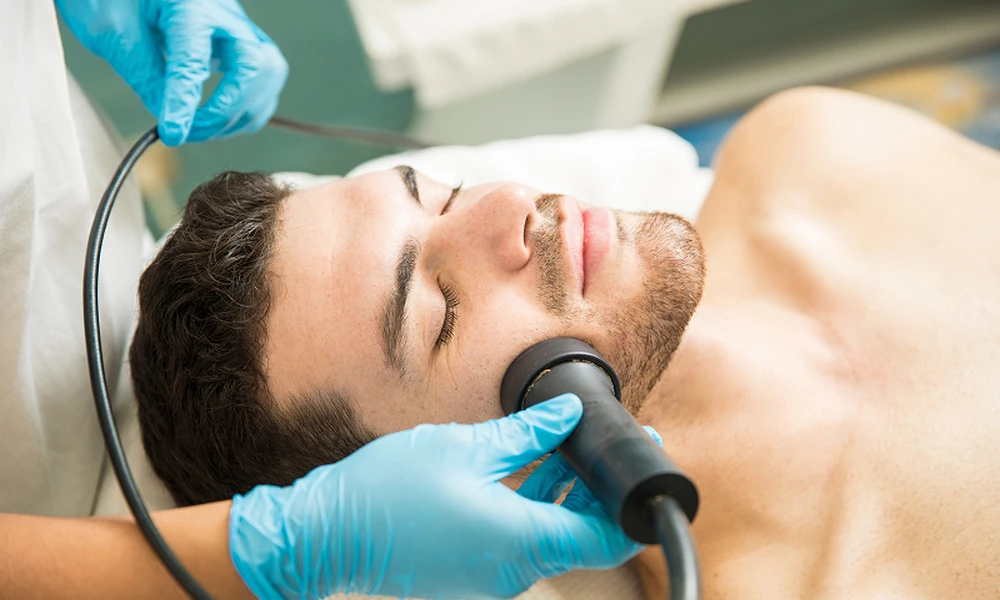
- Ultherapy uses focused ultrasound energy to tighten skin from underneath, not on the surface
- Most people describe the sensation as warm or tingling rather than painful
- Numbing options and proper prep can make the whole session noticeably more comfortable
- Results build over two to three months as new collagen forms
Yes, Ultherapy Can Actually Feel Fine
Let’s address the elephant in the room first: a lot of people put off booking Ultherapy skin lifting because they’ve heard it’s uncomfortable. That reputation isn’t entirely fair. Discomfort levels vary a lot from person to person, and there’s plenty you can do beforehand to make the session easier on yourself.
Once you understand what’s actually happening under the skin, the sensation makes more sense too. The device sends focused ultrasound energy to specific depths, which is what triggers your body’s own collagen response. Some people barely notice it; others feel warmth or quick pulses that fade fast. It’s rarely the ordeal people expect – and compared to something like a thread facelift in Singapore, there’s no cutting or thread placement involved at all, just energy doing the work from within.
Why It Feels the Way It Does
Ultherapy skin lifting works by delivering energy to layers of tissue you can’t see or touch directly, which is exactly why it can tighten skin without cutting anything. That energy has to reach a certain temperature to trigger collagen production, and that’s the moment most people feel something, usually a brief warm or prickly sensation rather than sharp pain.
Where you’re being treated changes things too. The forehead and around the eyes tend to be more sensitive than the jaw or neck, simply because the skin there is thinner. A good practitioner adjusts settings and pacing based on your comfort as the session goes, rather than running through a fixed routine regardless of how you’re reacting.
| Treatment Area | Sensitivity Level | Typical Session Length |
| Forehead & brow | Higher | 20-30 minutes |
| Cheeks | Moderate | 30-45 minutes |
| Jawline & chin | Moderate | 20-30 minutes |
| Neck | Lower | 30-45 minutes |
Getting Ready Makes a Real Difference
A bit of prep goes further than people think. Skipping alcohol and caffeine the day before can lower sensitivity for some people, and arriving well-rested tends to help too, since tiredness can make any sensation feel more intense than it actually is.
Here’s what tends to help most before a session, whether you’re leaning toward Ultherapy or weighing it against a thread facelift in Singapore:
- Take an over-the-counter pain reliever beforehand if your practitioner approves it
- Ask about topical numbing cream, which many clinics offer for sensitive areas
- Avoid retinoids or exfoliants for a couple of days prior
- Eat something beforehand so you’re not going in on an empty stomach
None of these is strictly necessary, but together they make a noticeable difference for people who are nervous about the sensation.
What the First Few Weeks Look Like
Don’t expect a dramatic before-and-after the moment you leave the clinic – that’s not really how Ultherapy skin lifting works. There’s no visible downtime, so you can go straight back to your day, but the actual tightening happens gradually as fresh collagen builds underneath the surface.
Most people start noticing a difference around six to eight weeks in, with results continuing to improve for up to three or four months after that. Some redness or mild swelling right after treatment is normal and usually settles within a few hours, so there’s nothing dramatic to plan around.
How It Stacks Up Against Threads
People often ask how Ultherapy compares to a thread facelift in Singapore, since both promise a lifted, tighter look without surgery. The honest answer is that they work differently. Ultherapy relies purely on heat-triggered collagen production, while the thread approach adds a physical lift by repositioning tissue with dissolvable material.
Which one suits you better usually comes down to what you’re dealing with. Mild laxity without much sagging often responds well to Ultherapy alone, while more visible sagging sometimes calls for threads, or even a combination of both used together over time.
Don’t Let the Rumours Stop You
Ultherapy has a bit of a reputation problem that doesn’t match most people’s experience. With the right prep and a practitioner who paces things properly, it’s far more tolerable than the horror stories suggest, and the results are worth sticking around for.
If tighter, firmer skin sounds appealing but the discomfort question has been holding you back, that’s genuinely the easiest part to solve.
Book an Ultherapy session with Dr Valentin Low and find out for yourself how manageable it actually is.