

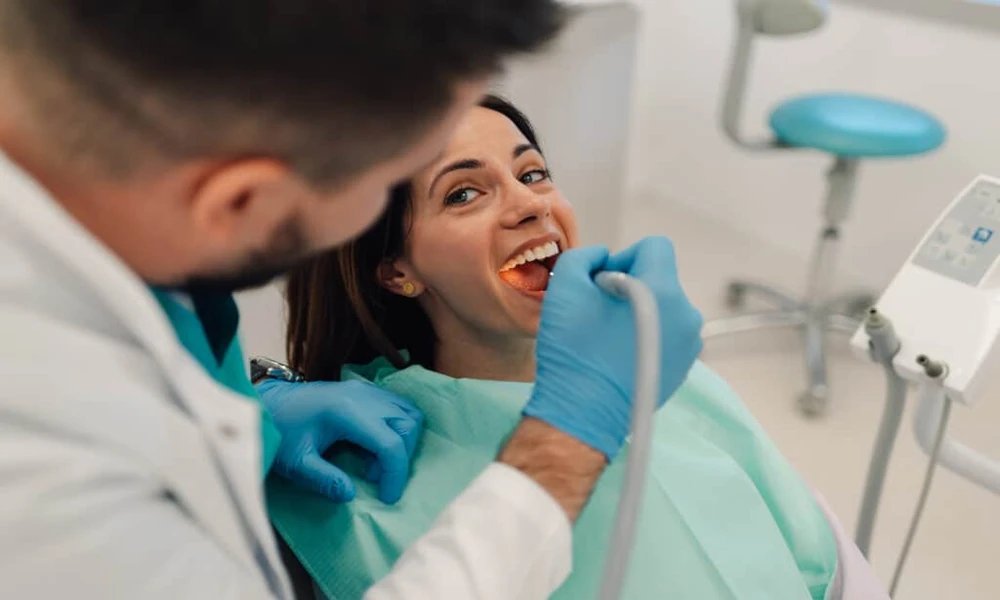
You put off a dental visit because nothing hurts, then a small problem turns into a bill that stings more than the tooth. That pattern is common, especially when life is busy and every extra expense feels hard to justify. Visiting a dentist in Jonesboro, AR for a cleaning or exam can seem optional in the moment. A crown, root canal, or extraction usually does not.
That is the core reason preventive care matters. Regular checkups, cleanings, fluoride, and early treatment usually cost far less than fixing advanced decay or gum disease. Preventive dentistry lowers oral health costs over time because it catches problems when they are small, easier to treat, and less likely to disrupt your work, sleep, and family routine.
Preventive dental care stops small issues from becoming expensive treatment
Cavities do not start as emergencies. Gum disease does not appear overnight. Most serious dental problems begin quietly, and that is what makes them expensive. You may feel fine while enamel weakens, plaque hardens, or gums start to pull away from teeth. By the time pain shows up, the fix is often more involved.
A routine visit with a family dentist can spot decay before it reaches the nerve, identify early gum inflammation before bone loss begins, and catch cracked fillings before a tooth breaks. Those are not minor details. They are the difference between a simple filling and a root canal with a crown. They are also the difference between a standard cleaning and deep periodontal treatment.
The public health side backs this up. The CDC’s oral disease overview shows that oral disease is common and linked to missed school, missed work, pain, and high treatment needs. Dental problems do not stay in the mouth. They affect eating, speaking, sleep, and how comfortable you feel around other people.
When care is delayed, the financial strain often spreads. You may need time off work, childcare changes, pain medicine, urgent appointments, or multiple visits to finish treatment. One skipped checkup can turn into a chain of costs you never planned for.
Long term savings from preventive dentistry show up in daily life
People often think about dental costs as a single bill. Real life is less neat than that. A painful tooth can ruin sleep for days. Swollen gums can make eating harder. A broken molar can mean taking the first appointment available, not the most affordable one. Emergency care tends to happen when you have the fewest good options.
Long term savings from preventive dentistry come from avoiding those pressure filled choices. Regular exams create a record of your oral health, which helps your dentist track changes over time. Professional cleanings remove buildup you cannot fully reach at home. Fluoride and sealants can lower cavity risk, especially for children and teens. Bite checks, oral cancer screenings, and X-rays can reveal hidden issues before they become painful.
Research also supports the value of prevention and early management. A review of preventive oral health approaches discusses how preventive strategies can reduce disease burden and improve outcomes, which is exactly where cost control begins. Less disease usually means less invasive treatment. Less invasive treatment usually means lower spending.
This matters for families trying to budget month to month. Predictable preventive visits are easier to plan for than surprise restorative work. Even if you have dental insurance, prevention often receives better coverage than major procedures. If you do not have insurance, smaller routine costs are still often easier to manage than a sudden treatment plan worth hundreds or thousands of dollars.
Routine dental visits cost less than restorative dental treatment
The numbers vary by office and region, but the pattern stays the same. Prevention is usually the lower cost path.
| Dental Situation | Preventive Approach | Common Cost Pattern Over Time | If Delayed |
|---|---|---|---|
| Early plaque and tartar buildup | Regular cleaning and exam | Lower, predictable routine expense | Gingivitis, deeper cleaning, more visits |
| Small cavity | Exam, X-ray, simple filling | Moderate single visit cost | Larger filling, crown, or root canal |
| Child at high cavity risk | Fluoride and sealants | Lower prevention cost spread across visits | Multiple cavities and repeat treatment |
| Minor gum inflammation | Cleaning, home care coaching, follow up | Lower early management cost | Periodontal treatment and tooth loss risk |
| Worn or cracked filling | Early replacement | Controlled repair cost | Broken tooth and more complex restoration |
This is where preventive dental care becomes practical, not abstract. You are not paying only for a cleaning. You are paying to reduce the chance of pain, urgent treatment, and larger bills later.
Simple steps make preventive dentistry work better
Schedule before there is a problem. Book routine visits on a steady cycle recommended by your dentist, not when discomfort forces the issue. If you have a history of cavities, gum disease, dry mouth, or grinding, staying on schedule matters even more.
Treat home care like maintenance, not damage control. Brush twice a day with fluoride toothpaste, clean between teeth daily, and replace your toothbrush or brush head regularly. These habits are basic, but they lower the amount of disease your dentist has to treat later.
Ask what is preventive and what is pending. During your visit, ask if there are weak spots, early decay, inflamed gums, or old fillings that need watching. That question helps you plan ahead instead of getting blindsided. A good family dentist will tell you what needs attention now, what can wait, and what may save you money if handled early.
Consistent family dentist visits protect both health and budget
Dental costs feel heavier when they arrive as a surprise. Prevention changes that. It gives you more control, more warning, and more chances to solve a problem before it grows teeth, literally and financially. If you have been delaying care because nothing feels urgent, that is often the moment when prevention helps the most.
Make the next routine appointment and keep it. A trusted family dentist can help you protect your smile, avoid preventable treatment, and keep oral health costs more manageable over time.