

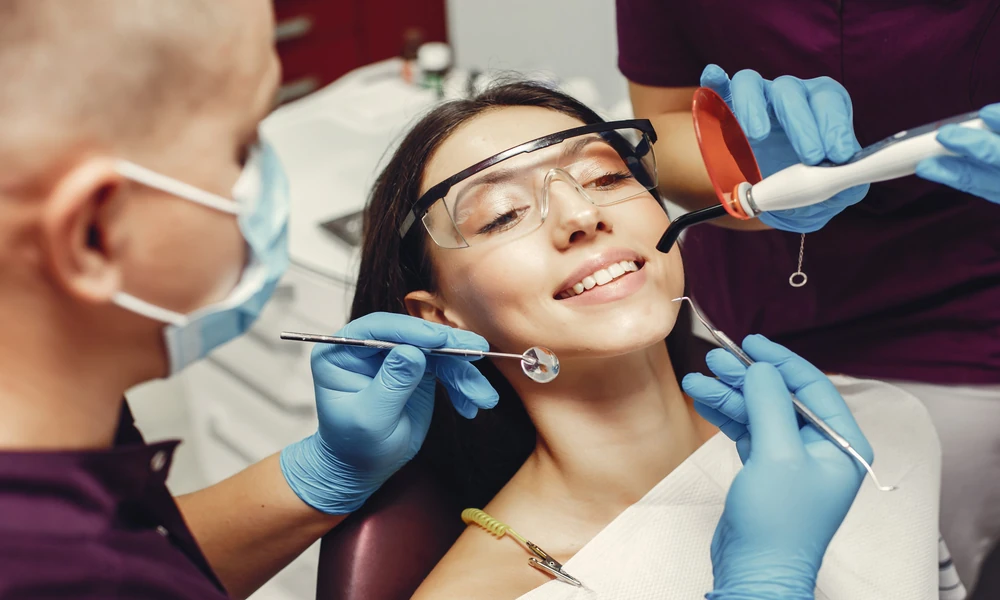
You might have noticed that a routine dental visit does not look quite the same anymore. What used to be mostly about cleanings, fillings, and checking for cavities now often includes questions about whitening, straightening, chipped teeth, and how your smile feels when you look in the mirror. If that shift has made you curious, or even a little unsure, you are not alone. Many patients want care that protects their health and also helps them feel better about their appearance, and many practices, including Pearly Smiles Family Dentistry in Springfield, are responding in kind.
The short answer is simple. Family dental offices are expanding because patients are asking for more complete care in one place. They want a provider who can care for a child’s first checkup, help a parent manage gum health, and also talk through options for improving a worn, stained, or uneven smile. That blend of prevention and appearance is why family dentistry and cosmetic smile services now go hand in hand in many practices.
Why are family dentists adding cosmetic smile care to everyday treatment?
For most people, dental care is personal. You are not just trying to avoid pain. You are also trying to feel comfortable speaking, laughing, eating, and being seen. When a front tooth chips, when old dental work starts to show, or when years of coffee staining build up, the issue is not only cosmetic. It can affect confidence, work, and even how often you smile in photos.
Because of that, many family practices have widened their services. They already know your dental history, your bite, your habits, and your long term needs. That puts them in a strong position to recommend cosmetic options that also support oral health, rather than offering a quick fix that ignores the bigger picture.
There is also a practical reason. Oral health and appearance often overlap. A worn tooth may need bonding or a crown. Crowding may make brushing harder. Missing teeth can affect chewing and facial balance. According to the CDC’s selected oral health findings, oral disease remains common across age groups, which means patients often need both preventive care and restorative help at the same time.
What changed for patients, and why does this matter now?
Patients are more informed than they used to be, and they are more willing to ask for choices. A parent may bring in a teenager for a cleaning and ask about whitening after braces. An adult who has kept up with checkups may finally ask about fixing small gaps that have bothered them for years. An older patient may want to replace worn dental work so the smile looks more natural again. These are not rare requests anymore. They are part of normal dental conversations.
So, where does that leave the traditional family practice? In many cases, it means becoming a place where function and appearance are treated together. That can make care feel less fragmented. Instead of visiting one office for a filling, another for whitening, and another for veneers, patients often prefer one trusted team that can explain how each option affects comfort, cost, and long term health.
Research also supports the idea that dental appearance can shape quality of life. A study indexed on PubMed found that esthetic dental treatment can have a meaningful effect on self confidence and social well being. That matters, because when people feel better about their smile, they are often more motivated to maintain it.
How does cosmetic care fit with routine family dental services?
This is where the shift becomes easier to understand. Cosmetic smile care is not always separate from standard treatment. In many cases, it is built into it. Tooth colored fillings, natural looking crowns, bonding for small chips, clear aligner therapy, and whitening are common examples. These services can restore strength while also improving appearance.
Think about a patient with a cracked front tooth. The problem starts as a health issue because the tooth needs protection. But once treatment is necessary, the patient also cares about how the repair will look. A family office that provides cosmetic dentistry services can address both concerns in one treatment plan.
That same thinking applies to prevention. The CDC’s oral health tips for adults stress daily habits like brushing with fluoride toothpaste, flossing, and regular dental visits. Those habits support a healthy mouth, and they also protect the look of your teeth over time. Health and appearance are closely linked.
What should you compare before choosing a family and cosmetic dentist?
If you are considering a practice that offers both general and smile focused care, it helps to compare what that really means for you. Not every office takes the same approach, and the right fit often comes down to how well the team balances prevention, restoration, aesthetics, and budget.
| What to Compare | Traditional General Only Focus | Family And Cosmetic Dentist Approach |
|---|---|---|
| Primary goal | Treat disease and maintain basic function | Treat disease, maintain function, and improve smile appearance |
| Common services | Cleanings, exams, fillings, crowns | Cleanings, exams, fillings, crowns, whitening, bonding, smile design, clear aligner options |
| Treatment planning | Often focused on immediate dental need | Often considers both health needs and visual outcome |
| Patient experience | May require referrals for appearance based concerns | May allow more care under one roof with one team |
| Long term value | Good for core maintenance | Can support confidence, convenience, and continuity of care |
What can you do right now if you want both healthy teeth and a better smile?
1. Start with your real concern. You do not need perfect dental words to explain what is bothering you. Say if you are embarrassed by stains, frustrated by a chipped tooth, or tired of hiding your smile. That helps your dentist connect the emotional concern with the clinical one.
2. Ask for a health first, appearance second plan. A good provider will explain what needs treatment now, what is optional, and what can safely wait. That keeps cosmetic choices grounded in oral health, not impulse.
3. Request options at different price points. In many cases, there is more than one path. Bonding may work where veneers are not necessary. Whitening may be enough before considering larger changes. A thoughtful practice will help you weigh timing, cost, and expected results.
Why is this expansion likely to keep growing?
People want dental care that feels more personal and more complete. They do not want to choose between a healthy mouth and a smile they feel good about. They want both, and that is a reasonable expectation. As a result, more practices are building care models around the full patient experience, not just the emergency of the moment.
If you have been wondering why more offices now offer cosmetic smile care alongside checkups and family treatment, the answer is that patient needs have changed, and dental care is changing with them. When one practice can help protect your health, restore function, and improve how you feel when you smile, care becomes simpler and often more meaningful.
You deserve dental care that sees the whole picture. If you are ready to explore your options, reach out and ask how a family and cosmetic dentist can help you protect your oral health while building a smile that feels like you.