

Wet age-related macular degeneration (AMD) is an eye condition that can affect central vision and make everyday activities such as reading, recognising faces, or driving more difficult. Although wet AMD cannot currently be cured, advances in treatment have significantly changed how the condition is managed.
One of the main treatments for wet AMD is anti-vascular endothelial growth factor (anti-VEGF) therapy. Understanding how it works, what patients can expect, and how effective it may be can help people make informed decisions about their eye care.
What Is Wet AMD?
Age-related macular degeneration affects the macula, the central part of the retina responsible for detailed vision. Wet AMD occurs when abnormal blood vessels develop beneath or within the retina.
These vessels can leak fluid or blood, potentially damaging retinal tissue and affecting central vision.
Wet AMD can progress relatively quickly compared with dry AMD, which is why timely assessment and treatment are important when new symptoms develop.
What Is Anti-VEGF Treatment?
VEGF is a naturally occurring protein that plays a role in the formation and growth of blood vessels. In wet AMD, excessive VEGF activity can contribute to the growth of abnormal blood vessels and leakage beneath the retina.
Anti-VEGF medicines work by blocking the activity of VEGF. This can reduce abnormal blood-vessel growth and leakage, helping to limit further retinal damage.
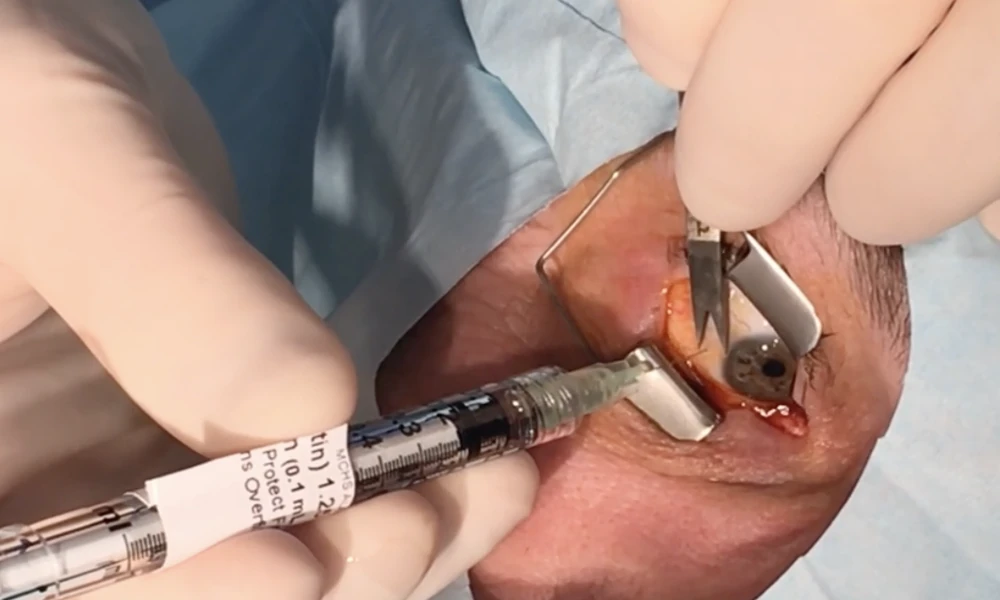
Anti-VEGF therapy is now an established treatment for wet AMD and is commonly administered as an injection into the eye.
How Is the Treatment Given?
Anti-VEGF medication is delivered through an intravitreal injection. Before the procedure, the eye is cleaned and local anaesthetic drops are generally used to minimise discomfort.
The injection itself is brief, although patients may notice pressure or mild discomfort.
Depending on the medication, disease activity, and individual response, injections may initially be given at regular intervals and later adjusted. Some patients require ongoing treatment over an extended period to maintain control of the disease.
For individuals considering private AMD treatment, the treatment schedule and medication options should be discussed with an ophthalmologist based on the condition of the retina and the patient’s overall circumstances.
Is Anti-VEGF Treatment Effective?
Clinical research has shown that anti-VEGF treatment can be highly effective in managing wet AMD. Many treated patients experience stabilisation of vision, while some experience meaningful improvements in visual acuity.
Treatment effectiveness can vary between individuals. Factors such as how advanced the disease is when treatment begins, the amount of retinal damage already present, and adherence to follow-up appointments can influence outcomes.
This is why early diagnosis and consistent monitoring are important components of wet AMD management.
Can Treatment Restore Lost Vision?
Anti-VEGF therapy can improve vision in some patients, but it does not guarantee complete restoration of vision that has already been lost.
If abnormal blood vessels have caused significant or permanent damage to retinal cells, treatment cannot necessarily reverse that damage.
The primary goals are often to control leakage, prevent further deterioration, and preserve useful vision for as long as possible.
For patients seeking private treatment for age related macular degeneration, realistic expectations should therefore be discussed with the treating ophthalmologist before treatment begins.
What Are the Possible Side Effects?
Intravitreal injections are generally well established, but they carry potential risks.
Temporary effects can include mild eye irritation, redness, blurred vision, or small spots in the field of vision. Serious complications, such as infection inside the eye, retinal detachment, or significant inflammation, are uncommon but require urgent medical attention.
Patients should contact their eye-care professional promptly if they develop severe eye pain, significant worsening of vision, increasing redness, or other concerning symptoms after an injection.
When Should You Seek Treatment?
Changes in central vision should not be ignored. Symptoms such as straight lines appearing wavy, a new central blurry area, distorted vision, or sudden changes in visual clarity may warrant prompt assessment.
Early evaluation can help determine whether wet AMD or another eye condition is responsible. The sooner active wet AMD is identified, the sooner appropriate treatment can be considered.
Conclusion
Anti-VEGF treatment has transformed the management of wet AMD and can help many patients preserve or improve their vision. Its effectiveness depends on factors such as disease stage, treatment response, and ongoing adherence to monitoring and injections.
For those considering private age related macular degeneration treatment, an ophthalmologist can explain the available anti-VEGF options and develop a treatment plan based on the individual’s retinal findings and visual needs.
While treatment cannot guarantee complete recovery of lost vision, timely diagnosis, appropriate therapy, and regular follow-up can play an important role in protecting vision and managing wet AMD over the long term.