

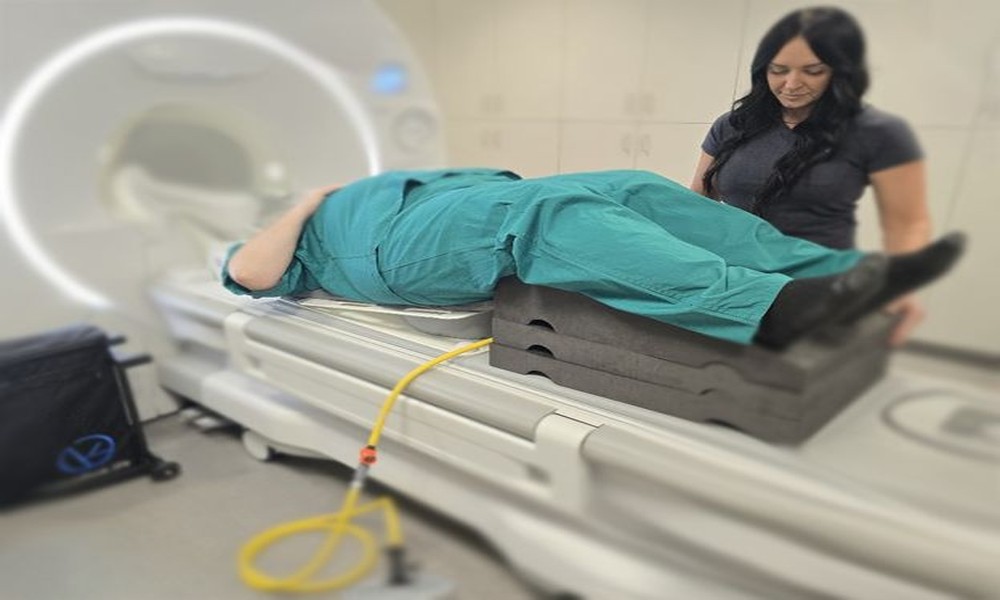
Magnetic Resonance Imaging (MRI) can feel like a big step for patients who are waiting for answers about pain, symptoms or a health concern that has not yet been explained. The scan itself may seem unfamiliar, from the safety questions to the sounds of the machine. Kasey McKillip, a seasoned MRI technologist with over a decade of hands-on experience in medical imaging, recognizes that clear imaging results begin with more than advanced equipment. They also depend on preparation, communication, and patient cooperation during the exam. Kasey McKillip highlights that clear imaging results can help patients and care teams move forward with better understanding.
For anxious or first-time patients, it can help to understand why image clarity matters. Clear images give radiologists the detail they need to review the area being scanned and prepare a report for the provider who ordered the exam. Patients do not need to know every technical part of the process, but knowing why stillness, positioning and safety steps matter can make the appointment feel less confusing.
What Clear Imaging Results Mean
Clear imaging results do not mean that every answer is immediate or simple. In medical imaging, clarity means the images are detailed enough for the radiologist to review the body part or area of concern. A clear image can show structures, tissues, or changes that may be harder to evaluate if the scan is blurred or incomplete.
This is why MRI professionals take time to position patients carefully and follow the correct scan protocol. The goal is to capture images that support medical review. The technologist does not diagnose the condition during the appointment, but the quality of the images plays an important role in what happens after the scan.
Why Stillness Matters During an MRI
One of the most common instructions during an MRI is to stay still. That may sound simple, but it can be difficult for patients who are nervous, uncomfortable, or dealing with pain. Even small movements can affect the images, which may make certain details harder to see.
Technologists often explain when a scan sequence starts and how long it may last. These updates can help patients focus on one part of the exam at a time. If a patient feels they cannot stay still because of pain or anxiety, it is better to say so before the scan begins. A small adjustment before imaging starts may help more than trying to push through discomfort silently.
Communication Can Prevent Confusion
Clear imaging results often start with clear communication. Patients need to know what the sounds mean, when they should hold still, and how to ask for help. Without that information, the scan may feel more stressful than expected, especially for someone having an MRI for the first time.
A technologist may speak through an intercom, give time estimates, or explain when a sequence is about to begin. Kasey McKillip’s patient-centered approach reflects how communication can help patients take part in the exam without feeling overwhelmed. A calm explanation does not remove every concern, but it can make the process easier to follow.
The Role of Contrast in Some Exams
Some MRI exams use contrast material to help certain tissues, blood vessels, or areas of concern appear more clearly. Not every MRI needs to contrast, and the decision depends on the exam order and the medical question being asked. If contrast is part of the scan, patients are usually told before or during the appointment.
Patients should share details about kidney problems, pregnancy, allergies, or past reactions to contrast. They can also ask what to expect during the injection and whether any special instructions apply afterward. Understanding the role of contrast can help reduce uncertainty when it is part of the imaging plan.
Clear Images Help the Radiologist Review the Exam
After the MRI is complete, the images are sent to a radiologist for review. The radiologist studies the images and prepares a report for the provider who ordered the exam. This report becomes part of the larger medical picture, along with symptoms, physical findings, history, and other test results.
Clear images help the radiologist evaluate the area more carefully. If images are blurred by movement or limited by positioning challenges, the review may be more difficult. This is one reason patients may be asked to repeat part of a scan. While repeating images can feel frustrating, it may be done to capture a better view.
Results Are Part of a Bigger Conversation
Patients often want to know what the scan shows as soon as it ends. That feeling is understandable, especially when the appointment is tied to pain or worry. The technologist usually cannot interpret the images or share findings because that is the role of the radiologist and referring provider.
The provider who ordered the MRI explains the results in context. A scan finding may need to be compared with symptoms, physical exam details, and medical history. Patients can ask when results may be ready, whom they should contact, and how they may receive the report. These questions can make the follow-up process feel clearer.
When Repeat Images Are Needed
Sometimes, part of an MRI needs to be repeated. This does not always mean something is wrong. Repeat images may be needed because of movement, positioning, breathing, technical factors, or the need for a more complete view. Patients may feel discouraged if they hear that another image is needed, but it is often part of trying to get a better scan.
The technologist may explain what needs to happen differently, such as staying still for a shorter period or adjusting the body position. Patients should ask for clarification if they feel unsure. Knowing why a repeat image is needed can make the moment feel less stressful.
Clear Results Start With a Clear Process
Clear imaging results depend on several connected steps: careful screening, proper positioning, patient stillness, communication, and technical skill. Each part helps support the final images that the radiologist reviews. For patients, understanding this process can make the appointment feel more organized and less mysterious.
An MRI may still feel stressful, especially for someone anxious or unfamiliar with imaging. Patients do not need to master the science behind the scan. They only need to follow instructions, speak up about concerns, and understand that each step has a purpose. Clear images begin with a shared effort between the patient and the imaging team.