

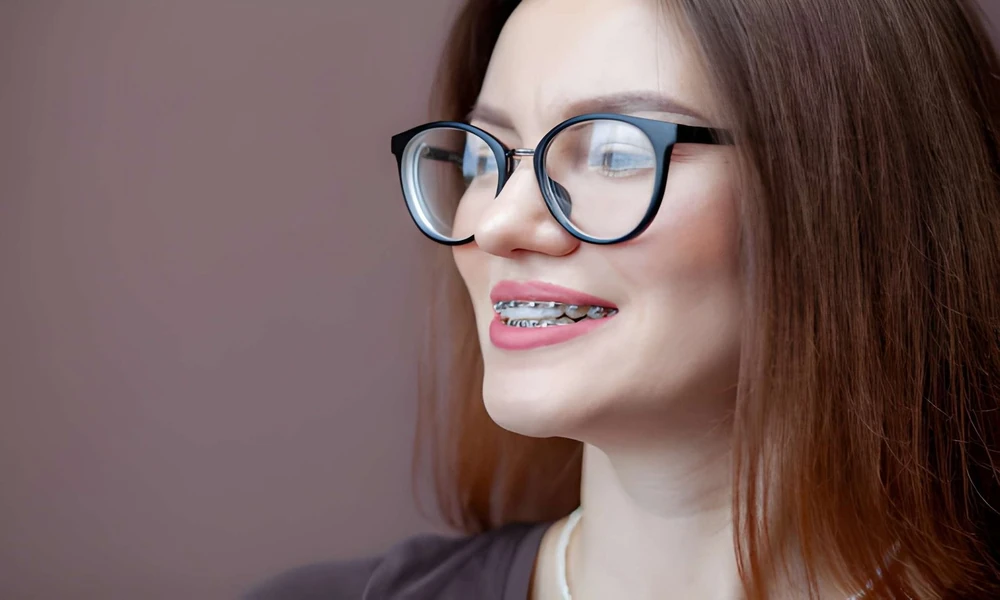
When you are exploring orthodontic treatment, it is easy to feel overwhelmed by all the choices. Braces have come a long way over the years, and the options of today offer more comfort and flexibility than many people expect. Two of the most common choices are In-Ovation braces and traditional braces. Both are designed to straighten teeth and improve your bite, but they work a little differently. Understanding those differences can make your decision feel much easier.
If you are searching for an experienced orthodontist in Alpharetta, then Newpark Orthodontics offers personalized care for patients of all ages. Rather than recommending the same treatment for everyone, the team takes time to understand your smile goals, examine your teeth, and explain each option clearly. Whether In-Ovation braces or traditional braces are a better fit, you will receive a treatment plan that is built specifically around your needs.
What Makes In-Ovation Braces Different?
The biggest difference lies in the bracket design.
Traditional braces use small elastic bands to keep the arch wire attached to each bracket. In-Ovation braces use a built-in clip instead. It might sound like a tiny detail, and honestly, it is, but it changes the way the wire moves throughout treatment.
That different design can make appointments feel a little simpler for some patients. Still, both systems are highly effective when used appropriately.
Comparing the Two Options
The following comparison highlights what sets each option apart.
Bracket System
- In-Ovation braces: Self-ligating brackets with built-in clips.
- Traditional braces: Brackets secured with elastic ties.
Comfort During Treatment
Many patients describe In-Ovation braces as applying gentler pressure during adjustments. Of course, every person may experience tooth movement differently, so some tenderness is still perfectly normal.
Keeping Teeth Clean

Brushing around braces is not a favorite task of anyone. Without elastic ties, In-Ovation braces may leave fewer areas where food particles can collect. Even so, daily brushing, flossing, and regular dental cleanings remain essential no matter which system you choose.
Adjustment Appointments
Appointments with In-Ovation braces can sometimes be slightly shorter because elastic bands do not need replacing. That does not necessarily mean fewer visits overall, though. Treatment length depends on your specific orthodontic needs.
Is One Option Better?
Not really. Both systems have helped countless patients achieve healthy, attractive smiles. While self-ligating braces may offer certain conveniences, research has not consistently shown that they produce dramatically faster treatment or superior final results. In many cases, your orthodontist’s expertise and your commitment to following treatment instructions matter much more.
Choosing the Right Braces
Every smile tells a different story. That is why your orthodontic treatment should not follow a one-size-fits-all approach.
Your orthodontist will typically consider:
- The complexity of your alignment issues
- Your bite and jaw relationship
- Lifestyle preferences
- Oral hygiene habits
- Long-term treatment goals
At the end of the day, both In-Ovation and traditional braces can deliver excellent outcomes. The best choice is simply the one that is most appropriate for your individual smile, giving you confidence throughout treatment and long after your braces come off.