

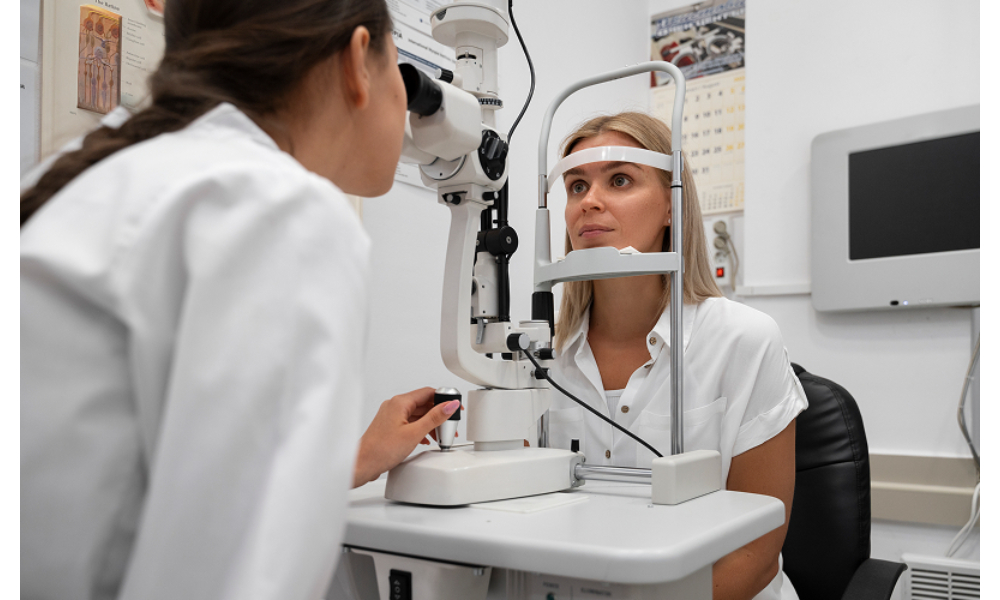
Cataract surgery is a common and highly effective eye procedure that involves removing the clouded natural lens and replacing it with a clear artificial intraocular lens (IOL). While the operation itself is usually completed in less than an hour, the period it takes for vision to fully clear is not instantaneous and can vary widely between patients. Understanding the recovery stages helps manage expectations and prevents unnecessary concern when blurry vision persists in the initial days or weeks after the operation.
Immediate Post-Surgery Vision
Many patients notice that colours appear brighter and more vivid within hours after the procedure. However, this does not mean the vision will be sharp right away. Blurry vision in the first 24 to 48 hours is common due to corneal swelling caused by the surgery, the lingering effects of dilation from pre- and post-operative eye drops, and the brain’s need to adapt to the new IOL. Patients may also experience watery eyes, light sensitivity, mild discomfort, or the sensation of a foreign body in the eye. These symptoms typically subside within a few days as the eye starts its initial healing process, but clear vision is not yet fully achieved at this stage.
First Week: Early Adjustment Phase
The first week after cataract surgery is a transitional phase in which vision clarity can fluctuate daily. Some days may feel relatively sharp, while other days may be marked by renewed blurry vision. This variability is largely due to residual swelling and the gradual sealing of the small corneal incisions. The eye is still adjusting to focusing light through the new lens, and depth perception may feel slightly off. Many patients can resume basic activities such as reading or watching television within this time, but activities that demand precise or stable vision, like night driving, may still be challenging. This period also carries the highest risk of infection, which is why strict adherence to the prescribed eye drop regimen and protective measures is critical.
Two to Four Weeks: Gradual Stabilisation
Between two and four weeks post-surgery, the majority of patients experience a marked improvement in clarity as swelling resolves and the lens settles securely into its final position. Blurry vision usually becomes less frequent, though glare, halos, or starbursts around lights can still occur, especially at night. Individuals undergoing sequential surgeries on both eyes can expect that the second procedure will be scheduled during this stage. Temporary prescription glasses may be used if needed, but the final prescription is usually delayed until the eye has fully stabilised.
Six to Eight Weeks: Final Visual Outcome
Most patients achieve their optimal visual clarity between six and eight weeks after cataract surgery. The healing process, by this time, is complete enough for an optometrist to assess whether corrective lenses are necessary for tasks such as reading or driving. Once blurry vision persists beyond this period, it may be due to other factors such as posterior capsule opacification (often referred to as a “secondary cataract”), pre-existing eye conditions like macular degeneration, or residual refractive errors. A simple YAG laser procedure can restore clarity quickly if a case of posterior capsule opacification happens.
Factors Affecting Recovery Time
Recovery speed is not uniform across all patients. Underlying eye diseases, such as glaucoma, diabetic retinopathy, or corneal dystrophies, can extend the healing timeline and influence final vision quality. Surgical complexity also plays a role; more advanced cataracts or combined procedures can result in slower recovery. In addition, individual healing capacity, adherence to post-operative care instructions, and avoidance of eye strain or physical impact during recovery can all affect how quickly blurry vision resolves.
Conclusion
Although initial improvements in vision may be noticed within hours of surgery, full clarity after cataract surgery is generally achieved within four to eight weeks. Short-term blurry vision is part of the normal healing process and usually improves progressively as the eye recovers. Following the recommended care plan and attending all follow-up appointments are essential for achieving the best outcome. Once vision worsens suddenly or new symptoms arise, prompt medical assessment is required to rule out complications.
Visit the National University Hospital (NUH) to ensure your vision recovers fully and safely.