

Training is the foundation of a successful career in massage therapy. Anyone exploring how to become a massage therapist quickly discovers that professional education combines scientific knowledge, hands-on practice, and interpersonal skill development. Massage therapy is not simply about learning relaxation techniques. It requires an understanding of anatomy, physiology, body mechanics, and client care, all supported by supervised clinical experience.
Students entering massage therapy programs often come from diverse backgrounds. Some are recent graduates seeking a wellness-focused profession, while others are career changers drawn to healthcare and holistic healing. Regardless of background, training programs are designed to build both technical competence and professional confidence.
Understanding what to expect during training helps aspiring therapists prepare mentally, academically, and physically. From classroom learning to real-world practice, each stage of education contributes to the skills required for a professional massage therapy career.
Classroom Education and Foundational Knowledge
The academic portion of massage therapy training introduces students to the scientific principles that support safe and effective practice. Programs typically begin with anatomy and physiology, which form the core of understanding how the human body functions. Students study muscles, bones, joints, connective tissues, and body systems to learn how massage techniques influence physical structures.
Courses in kinesiology focus on body movement and mechanics. Students learn how muscles interact during motion and how improper movement patterns contribute to tension or injury. This knowledge helps future therapists design sessions that support recovery and promote mobility.
Pathology education teaches students to recognize medical conditions that may affect treatment decisions. Understanding contraindications ensures therapists avoid techniques that could worsen injuries or health issues. Safety is a central component of training, especially when working with clients who have chronic conditions.
Professional ethics and communication are also emphasized. Students learn appropriate boundaries, confidentiality standards, and respectful client interaction. Effective communication builds trust and helps therapists understand client needs, preferences, and concerns.
Business and practice management courses are often included for those interested in private practice. Students gain insights into scheduling, record keeping, marketing, and legal responsibilities. This knowledge supports long-term career success beyond technical skills.
While exploring how to become a massage therapist, many students find classroom learning both challenging and rewarding. The academic foundation ensures therapists understand not only how to perform techniques but also why they work.
Hands-On Technique Practice and Skill Development
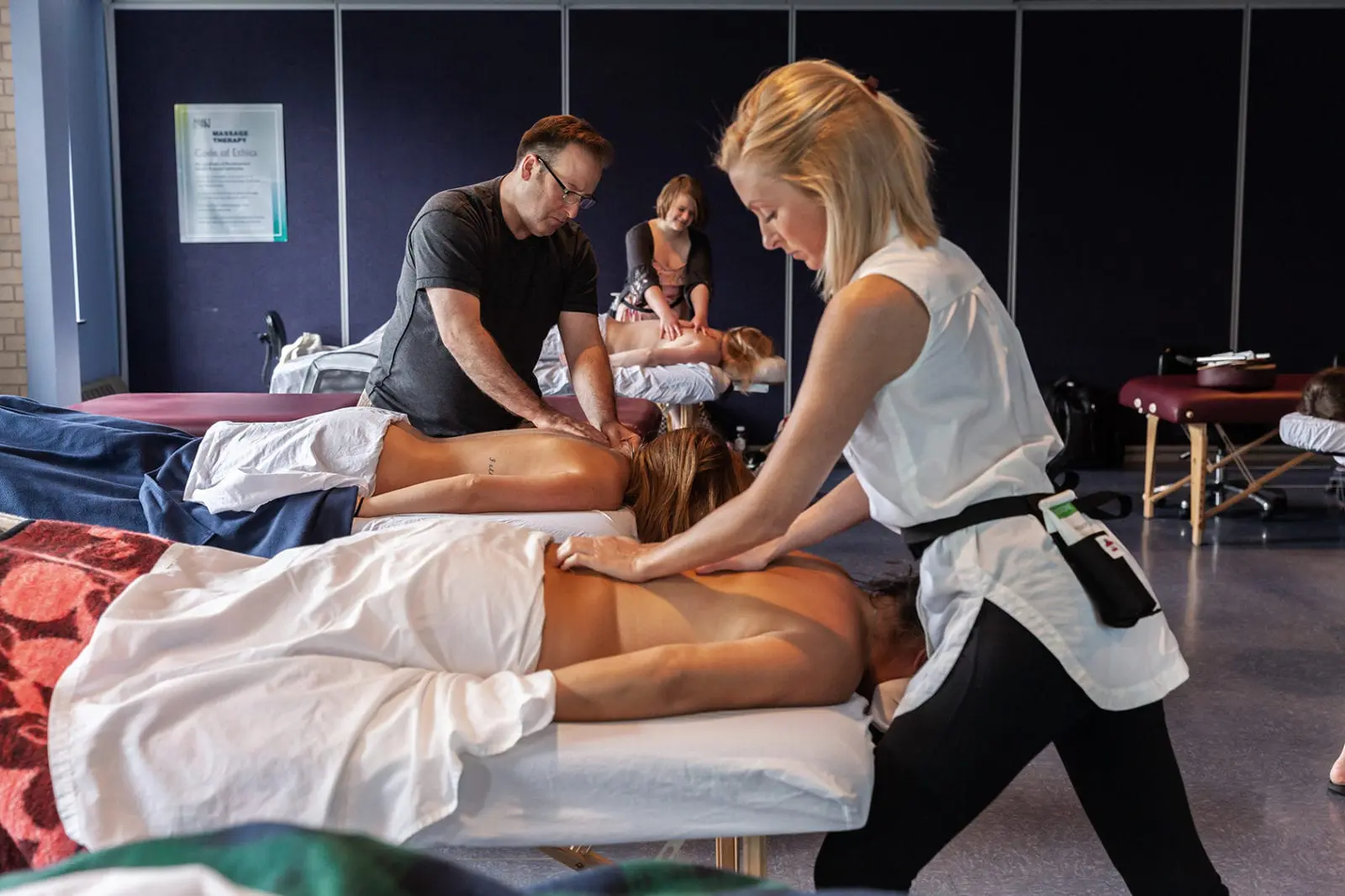
Practical training is a major component of massage therapy education. Students spend many hours developing hands-on skills under instructor supervision. This portion of training builds muscle memory, precision, and confidence.
Early practice sessions focus on fundamental techniques such as Swedish massage strokes, including effleurage, petrissage, friction, tapotement, and vibration. These foundational methods teach students how to apply pressure safely and effectively.
As training progresses, students learn advanced modalities such as deep tissue massage, sports massage, trigger point therapy, and myofascial release. Exposure to multiple techniques allows future therapists to adapt treatments based on client needs.
Body mechanics training is essential during practical sessions. Students learn how to position their bodies efficiently to prevent strain and injury. Proper posture, weight distribution, and movement techniques protect therapists from fatigue and long-term musculoskeletal problems.
Peer practice sessions allow students to experience both therapist and client perspectives. Receiving massage helps students understand pressure levels, comfort considerations, and relaxation responses. This experience builds empathy and improves treatment quality.
Instructor feedback plays a critical role in refining technique. Trainers observe hand positioning, pressure control, rhythm, and client interaction. Constructive guidance helps students improve accuracy and professionalism.
Practical training can be physically demanding. Students must develop endurance and strength while maintaining gentle precision. Over time, repeated practice enhances skill consistency and therapist confidence.
Understanding how to become a massage therapist involves recognizing the importance of hands-on learning. Practical experience bridges the gap between theory and professional competence.
Clinical Experience and Real-World Application
Clinical practice provides supervised real-world experience before students graduate. Training clinics allow students to work with members of the public in professional environments that simulate real practice settings.
Students conduct client consultations, review health histories, and develop personalized treatment plans. These interactions strengthen assessment skills and encourage critical thinking when selecting appropriate techniques.
Supervised sessions allow instructors to monitor performance while ensuring client safety. Feedback focuses on professionalism, time management, technique application, and communication skills. These evaluations prepare students for independent practice.
Exposure to diverse client needs enhances adaptability. Students may work with athletes, office workers, older adults, or individuals managing chronic pain. This variety builds experience in modifying techniques for different conditions.
Clinical settings also reinforce hygiene and sanitation protocols. Proper equipment cleaning, hand hygiene, and workspace organization are emphasized to maintain professional standards and client safety.
Appointment scheduling and session documentation teach students administrative responsibilities. Accurate record keeping ensures continuity of care and supports ethical practice standards.
Clinical training builds confidence by allowing students to apply classroom knowledge in practical scenarios. This experience helps bridge the transition from student to professional therapist.
Licensing Preparation and Professional Readiness
Massage therapy programs often include preparation for licensing examinations. These exams assess knowledge of anatomy, ethics, safety practices, and technique application. Review sessions and practice tests help students feel confident before certification.
Instructors guide students through licensing requirements, which vary by location. Understanding regulatory standards ensures graduates meet legal requirements before beginning professional work.
Professional readiness training may include resume development, interview preparation, and networking strategies. Students learn how to present their skills effectively and identify career opportunities in spas, clinics, rehabilitation centers, and private practices.
CPR and first aid certifications are commonly required. Safety training ensures therapists are prepared to respond to emergencies responsibly.
Continuing education awareness is also emphasized. The field evolves as new research and techniques emerge, so ongoing learning supports professional growth.
Graduates leave training programs prepared not only to perform massage but also to operate within professional standards and healthcare guidelines.