

Why is understanding cardiac arrest so important in Singapore?
Sudden cardiac arrest is a critical health event that can occur without warning, affecting people of all ages and backgrounds. In Singapore, with its aging population and increasing prevalence of heart-related conditions, understanding what is cardiac arrest becomes essential not just for those at risk but for everyone in the community. Cardiac arrest happens when the heart abruptly stops beating effectively, disrupting blood flow to vital organs. Unlike a heart attack, which involves blockage of blood flow, cardiac arrest is an electrical malfunction that causes the heart to quiver or stop entirely.
Because of its sudden nature, cardiac arrest requires immediate action. Without quick intervention, survival rates drop drastically within minutes. This is why public awareness about cardiac arrest symptoms and response methods is crucial in Singapore’s urban environment, where timely professional medical help might be minutes away but still too late without prompt first aid from bystanders.
What can you do if someone experiences a cardiac arrest?
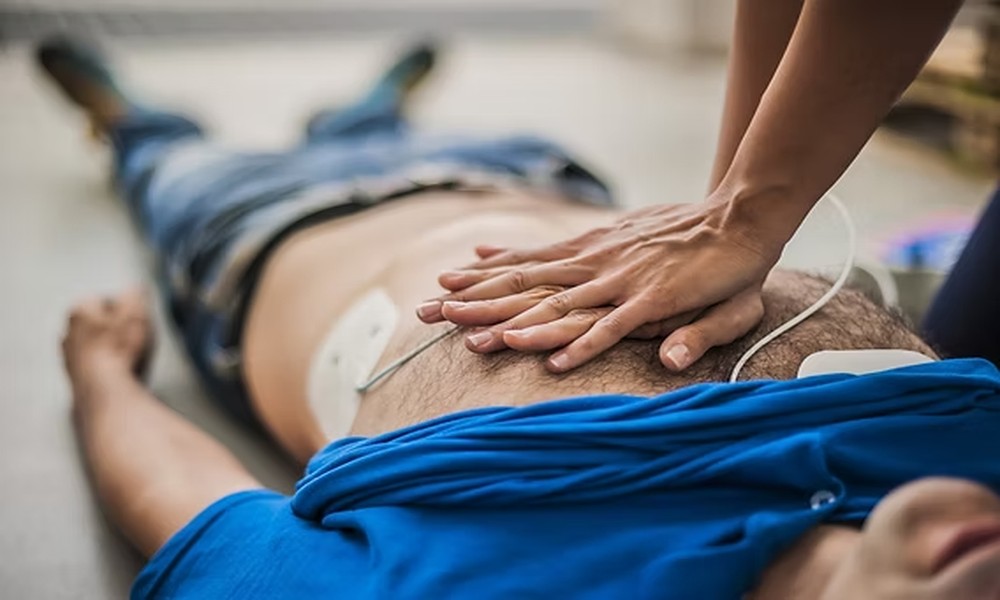
Knowing how to respond during a cardiac emergency can mean the difference between life and death. The first few minutes after cardiac arrest are critical because the brain and other organs can suffer irreversible damage without oxygenated blood. If you witness someone collapse, call emergency services immediately and start CPR (cardiopulmonary resuscitation). CPR manually pumps blood through the heart and brain, buying time until advanced help arrives.
Besides CPR, the use of an Automated External Defibrillator (AED) is equally vital. AEDs deliver an electric shock to restore a normal heart rhythm. Singapore has been actively increasing public access to AEDs in malls, community centers, and transport hubs, emphasizing the role of community readiness.
However, to perform these actions confidently and correctly, formal training is necessary. This is where obtaining first aid certification comes into play. Certified courses in Singapore go beyond theoretical knowledge; they provide hands-on practice, helping participants gain the skills needed to act effectively during emergencies.
How does first aid certification empower Singaporeans?
Many Singaporeans underestimate their ability to help during medical emergencies. First aid certification courses are designed to change that mindset by equipping individuals with practical skills and knowledge. These courses cover essential topics such as recognizing cardiac arrest signs, performing CPR, using an AED, and managing choking or other injuries.
Moreover, first aid training boosts confidence, reducing hesitation in critical moments. In a society like Singapore, where every second counts, having a pool of trained individuals across workplaces, schools, and neighborhoods strengthens community resilience. Employers and organizations increasingly encourage staff to undergo first aid certification as part of workplace safety programs.
The Singapore Heart Foundation plays a leading role in promoting these courses nationwide, contributing to safer environments. Their programs are tailored to local needs, ensuring that participants understand both the medical techniques and the cultural context of emergency response in Singapore.
Can learning about cardiac arrest and first aid save lives in everyday life?
Absolutely. Cardiac arrest can happen anywhere – at home, in public spaces, or at work. When bystanders are prepared, they can initiate life-saving steps before professional medical help arrives. For example, in Singapore’s fast-paced daily life, incidents could occur in crowded MRT stations, hawker centers, or during community events. Being knowledgeable about what is cardiac arrest ensures that people recognize the symptoms quickly and act decisively.
Singapore’s healthcare system is well-equipped, but immediate first aid remains the cornerstone of survival. The accessibility of AEDs and widespread first aid training initiatives reflect a national commitment to improving outcomes for cardiac emergencies. By taking proactive steps such as attending a first aid certification course, individuals become valuable links in the chain of survival.
What are some common misconceptions about cardiac arrest and first aid?
One common misunderstanding is confusing cardiac arrest with a heart attack. While related, they are distinct conditions requiring different responses. A heart attack involves blocked blood flow and may present with chest pain, while cardiac arrest is an electrical problem causing sudden loss of heart function. Knowing the difference helps in administering the correct first aid.
Another misconception is that only medical professionals should perform CPR or use AEDs. In reality, untrained bystanders can and should intervene, as any delay reduces the chance of survival. That said, formal training through first aid certification helps ensure actions are performed safely and effectively.
Some people also hesitate to act due to fear of legal repercussions or causing harm. Singapore’s Good Samaritan laws protect those who assist in emergencies in good faith, encouraging more people to step forward.
How can you get started with first aid training in Singapore?
If you’re interested in learning life-saving skills, the Singapore Heart Foundation offers accessible programs for the public. Their first aid certification courses cover essential emergency response techniques, including CPR and AED use, tailored to Singapore’s context. These courses are suitable for individuals, families, and workplace groups.
Enrolling in such a course not only improves your ability to respond during cardiac emergencies but also promotes a culture of preparedness and care within the community. As more Singaporeans become certified, the overall safety net for cardiac arrest victims strengthens.
—
The information in this article is for general informational purposes only and does not constitute medical advice. Please consult a qualified healthcare professional for any medical concerns.