

Key Takeaways
- Plaque acts as a physical barrier that limits whitening agent contact with enamel surfaces.
- Inconsistent whitening results are often linked to uneven plaque distribution.
- Professional plaque removal in Singapore is typically performed before whitening procedures to standardise outcomes.
- Surface stains and plaque can mask the true baseline shade, leading to misleading expectations.
- The effectiveness of beautiful teeth-whitening services depends partly on pre-treatment cleaning.
Introduction
Many patients assume that beautiful teeth-whitening treatments in Singapore work independently of oral hygiene status. In practice, plaque accumulation plays a measurable role in how whitening agents interact with tooth surfaces. The question is not whether plaque removal matters, but how significantly it influences outcomes. Clinical observations suggest that plaque removal often determines whether whitening appears uniform, patchy, or underwhelming. Knowing this relationship helps set realistic expectations and improve treatment planning.
How Plaque Interferes with Whitening Agents
Plaque is a biofilm composed of bacteria, proteins, and food debris that adheres to enamel. Whitening agents, typically peroxide-based, require direct contact with enamel to break down chromogenic compounds responsible for discolouration. Once plaque is present, it creates a barrier that reduces penetration efficiency. Due to this, some areas of the tooth receive less exposure to the active ingredient, leading to uneven lightening.
This interference is not always visible before treatment. Teeth may appear uniformly stained, but underlying plaque distribution can vary significantly. However, without prior cleaning, whitening may produce inconsistent shades across the same tooth surface. This situation is one reason clinicians often recommend scaling and polishing before initiating whitening protocols.
Uneven Results and Misinterpretation of Effectiveness
Patients who skip plaque removal frequently report dissatisfaction with whitening results. The issue is not always the whitening system itself but the condition of the tooth surface at the time of application. Plaque-covered areas may retain more stain, creating a contrast with cleaner sections that respond better. This situation leads to the perception that whitening has “missed spots” or failed entirely.
That said, in many cases, repeating the whitening procedure without addressing plaque does not resolve the issue. Instead, it increases cost and treatment time without improving outcomes. To help make essential preparatory work more accessible, patients eligible for the CHAS dental subsidy should inquire about its coverage for necessary pre-whitening procedures. Proper surface preparation ensures that the whitening agent works on a consistent substrate, reducing variability in results.
The Role of Professional Cleaning Before Whitening
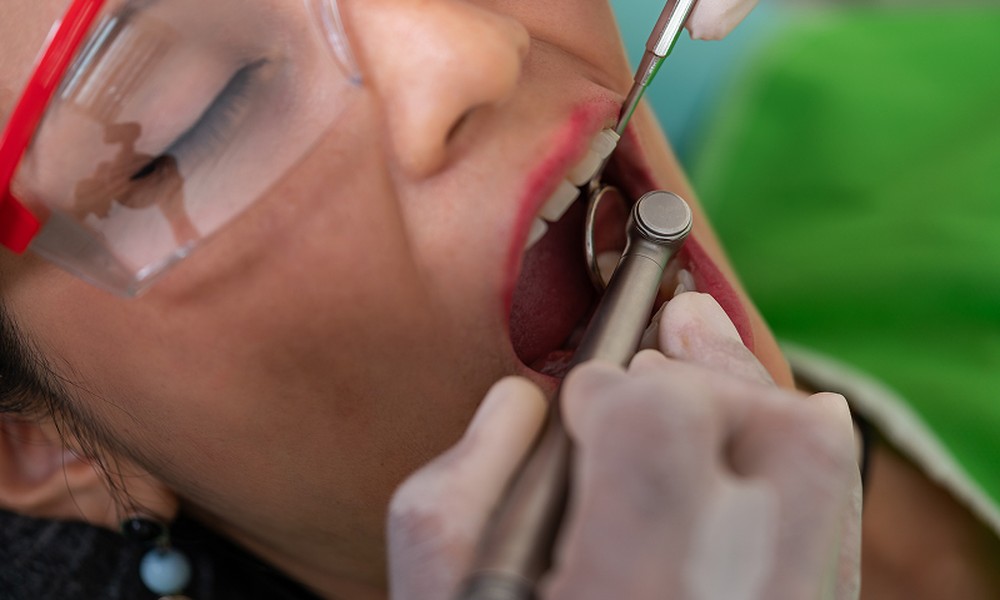
Professional cleaning removes both soft plaque and hardened deposits such as calculus. This process exposes the actual enamel surface, allowing for more predictable whitening outcomes. Plaque removal in Singapore is often positioned as a preparatory step in clinical settings rather than an optional add-on. Patients in Singapore can often use the CHAS dental subsidy to help cover the cost of preparatory procedures like scaling and polishing.
Cleaning also helps clinicians assess the true baseline shade of the teeth. Surface deposits can exaggerate discolouration, making teeth appear darker than they are. Once removed, the starting point for whitening becomes clearer, allowing for more accurate treatment planning and shade matching.
Timing and Treatment Sequencing
The sequence of procedures affects final results. Whitening performed immediately after plaque removal tends to produce more uniform outcomes because the enamel surface is clean and receptive. Delays between cleaning and whitening can allow plaque to reaccumulate, especially in patients with inconsistent oral hygiene habits.
Due to this reason, some clinics schedule whitening sessions on the same day as cleaning. This approach minimises variables and ensures that the whitening agent interacts directly with enamel. It also reduces the likelihood of needing repeat sessions due to uneven results.
Impact on Perceived Aesthetic Outcome
The concept of beautiful teeth-whitening outcomes is often linked to uniformity rather than maximum shade change. Patients typically notice inconsistencies more than overall brightness. Even if teeth become lighter, uneven patches can reduce satisfaction with the result.
Plaque removal contributes to a smoother, more consistent surface, which in turn supports even light reflection. This approach affects how the final result is perceived under different lighting conditions. Remember, without proper cleaning, the visual outcome may not align with the expected improvement, even if chemical whitening has occurred.
Conclusion
Plaque removal has a direct and measurable impact on whitening effectiveness. It influences how evenly whitening agents interact with enamel, how accurately baseline shades are assessed, and how consistent the final result appears. Skipping this step introduces variability that can lead to dissatisfaction and repeated treatments. That said, for predictable outcomes, plaque removal in Singapore should be considered a standard part of the whitening process rather than an optional step. Patients can check their eligibility for the CHAS dental subsidy, which can assist with the cost of essential preventative dental activities.
Visit Frank Dental today to enhance your smile with safe dental activities.