

Choosing to undergo tuli is an important decision for many Filipino families. Whether it is done for cultural, personal, hygiene, or medical reasons, understanding the process can help reduce worry and make the experience smoother. Before booking an appointment, it is best to know what happens during the consultation, how the procedure is performed, and what to expect during recovery.
A proper medical consultation gives parents, guardians, or adult patients the chance to ask questions, understand the available options, and prepare for aftercare. With the right guidance from a qualified healthcare provider, the process can be handled safely and with more confidence.
Why Consultation Matters Before Tuli
The first step is usually a consultation with a licensed doctor. During this visit, the doctor may check the patient’s age, general health, medical history, allergies, and any existing conditions that could affect the procedure or healing.
This is also the right time to discuss concerns such as pain control, wound care, recovery period, and activity restrictions. A good consultation should help patients understand what will happen before, during, and after the procedure.
What Happens Before the Procedure
Before the scheduled date, the doctor may give simple preparation instructions. These may include proper hygiene, wearing comfortable clothing, and following any food or medication guidelines if necessary.
Parents should also help younger patients feel emotionally prepared. Explaining the process in a calm and simple way can make the experience less stressful. For adults, asking clear questions during the consultation can help set realistic expectations.
Understanding Tuli in the Philippines
In the middle of the patient journey, many families search for reliable information about tuli philippines to understand how the service is commonly approached in clinics, hospitals, and medical facilities. While the practice is familiar in the country, it is still important to treat it as a medical procedure that requires proper care, clean equipment, and professional supervision.
Choosing a qualified doctor or trusted clinic can make a big difference in safety and comfort. Patients should avoid unsafe methods and always prioritize medical standards over convenience.
What to Expect During the Procedure
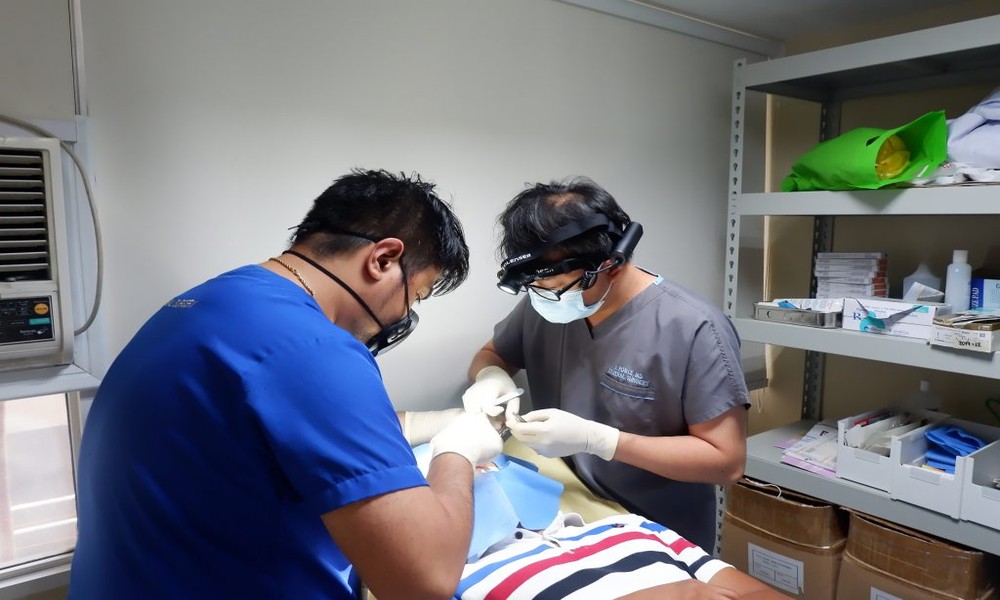
The doctor will usually clean the area and apply local anesthesia to help reduce pain. Once the area is numb, the doctor performs the tuli procedure using sterile tools and proper medical techniques. The length of the procedure may vary depending on the patient’s condition and the method used.
Some patients may feel pressure or mild discomfort, but the goal of anesthesia is to make the process more manageable. After the procedure, the doctor will dress the wound and provide instructions for home care.
Healing and Aftercare Tips
Healing requires patience and proper hygiene. The doctor may advise how to clean the area, when to change dressings, and what signs to watch for during recovery. Mild swelling, sensitivity, or discomfort may happen in the first few days, but these should improve gradually.
Helpful Recovery Reminders
Patients should follow the doctor’s instructions carefully, avoid unnecessary touching of the wound, wear loose clothing, and avoid strenuous activities until cleared by the healthcare provider. It is also important not to use creams, ointments, or home remedies unless approved by the doctor.
When to Contact a Doctor
Medical attention may be needed if there is heavy bleeding, worsening pain, unusual discharge, fever, or swelling that does not improve. Parents and patients should not ignore symptoms that seem unusual. Early medical advice can help prevent complications and support better healing.
Choosing the Right Clinic or Doctor
When selecting a provider, look for proper credentials, clean facilities, clear communication, and transparent guidance about preparation and aftercare. A professional doctor should explain the process clearly and make the patient feel comfortable before proceeding.
Final Thoughts: Safe Preparation Leads to Better Healing
Tuli is a common procedure in the Philippines, but it should still be approached with care, preparation, and medical guidance. From consultation to healing, every step matters. By choosing a qualified healthcare provider, following aftercare instructions, and knowing what to expect, patients and families can feel more prepared and confident throughout the process.