

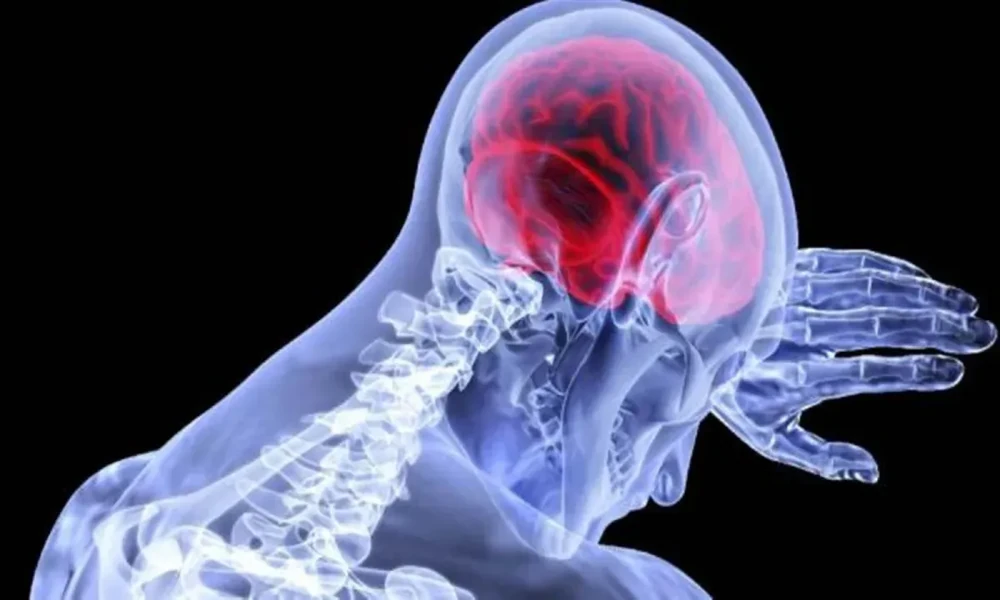
A stroke occurs when part of the brain loses its blood supply or when bleeding occurs within or around the brain. Treatment is highly time-sensitive because brain injury can continue while blood flow is interrupted. The current American Heart Association and American Stroke Association guideline provides updated recommendations for the rapid assessment and treatment of adults with acute ischaemic stroke.
Use the FAST warning signs
FAST is a simple way to remember common stroke symptoms.
Face: Ask the person to smile. One side of the face may droop or feel numb.
Arm: Ask the person to raise both arms. One arm may drift downward or feel weak.
Speech: Ask the person to repeat a simple sentence. Speech may be slurred, confused, or difficult to understand.
Time: Call emergency services immediately when any of these signs appear.
A person does not need to have all three symptoms. One sudden neurological change can be enough to justify emergency assessment.
Other possible stroke symptoms
A stroke may also cause sudden:
- Loss of vision or double vision
- Severe imbalance
- Difficulty walking
- Numbness on one side
- Confusion
- Trouble understanding speech
- Severe headache
- Collapse
- Difficulty swallowing
Symptoms depend on which part of the brain is affected.
A stroke in the back of the brain may cause dizziness, imbalance, vomiting, double vision, or poor coordination without obvious arm weakness.
What if the symptoms disappear?
Symptoms that disappear may indicate a transient ischaemic attack, sometimes called a mini stroke.
A transient episode is still an emergency warning. The person may face a higher risk of a full stroke and needs rapid medical assessment.
Do not wait until the next day because the person appears normal again.
Why the time of onset matters
Some stroke treatments are available only within specific time windows.
The medical team needs to know when the person was last seen well. This may be different from the time the symptoms were discovered.
For example, when a person wakes with symptoms, the relevant time may be when they went to sleep without symptoms.
Write down the time or tell emergency staff as clearly as possible.
What happens in the hospital?
The first steps may include checking blood glucose, blood pressure, oxygen, and neurological function.
A CT scan helps identify bleeding and other possible causes. Additional vascular or brain imaging may be used to identify a blocked artery and assess whether certain treatments are suitable.
Some patients with ischaemic stroke may receive clot-dissolving medicine. Others with a blockage in a major artery may be considered for mechanical clot removal.
Not every patient is eligible. Treatment depends on imaging, timing, medicines, bleeding risk, disability before the event, and other factors.
Blood pressure should not be lowered aggressively at home during a suspected stroke unless emergency professionals provide specific instructions.
What not to do
Do not give food, water, or tablets to a person who may have difficulty swallowing.
Do not give aspirin unless a medical professional advises it. Some strokes are caused by bleeding, and aspirin could make that bleeding worse.
Do not allow the person to sleep and wait for improvement.
Do not drive a long distance to a preferred hospital when emergency services can direct the patient to appropriate stroke care more quickly.
Reducing future stroke risk
Risk reduction may involve treating high blood pressure, diabetes, high cholesterol, atrial fibrillation, sleep apnea, and vascular disease.
Stopping tobacco, taking medicines correctly, remaining active, and following a suitable diet can also help.
A previous stroke or transient episode requires structured follow-up and rehabilitation.
Cura Hospitals lists neurological conditions including stroke, epilepsy, migraine, Parkinson’s disease, dementia, and neuromuscular disorders within its neurosciences services. Readers can review its information on neurology and stroke care.
Call emergency services immediately for sudden face weakness, arm weakness, speech difficulty, vision loss, severe imbalance, or confusion.
This article is for general education and does not replace emergency assessment or specialist neurological care.