

Key Takeaways
- Sterile environments eliminate the risk of cross-contamination found in many standard nail salons.
- A foot doctor identifies underlying structural issues that simple cosmetic clipping might aggravate.
- Professional removal of corns and ingrown nails provides immediate relief that temporary spa filing cannot match.
Introduction
Nowadays, many people view a trip to the nail salon as a routine indulgence for keeping their toes looking neat and tidy. While a standard beauty therapist focuses on the aesthetic appearance of your nails, a medical pedicure addresses the actual health of your skin and nails under sterile conditions, ensuring your feet remain functional and pain-free. When you visit a foot doctor, you receive a level of care that prioritises long-term health over a temporary shine. In our humid climate, fungal infections and bacterial growth thrive in the damp environments of shared foot baths, making the clinical hygiene of a medical pedicure a vital choice for safety. By opting for a professional approach, you ensure that every instrument used on your skin has undergone medical-grade sterilisation.
1. Professional Assessment by a Foot Doctor
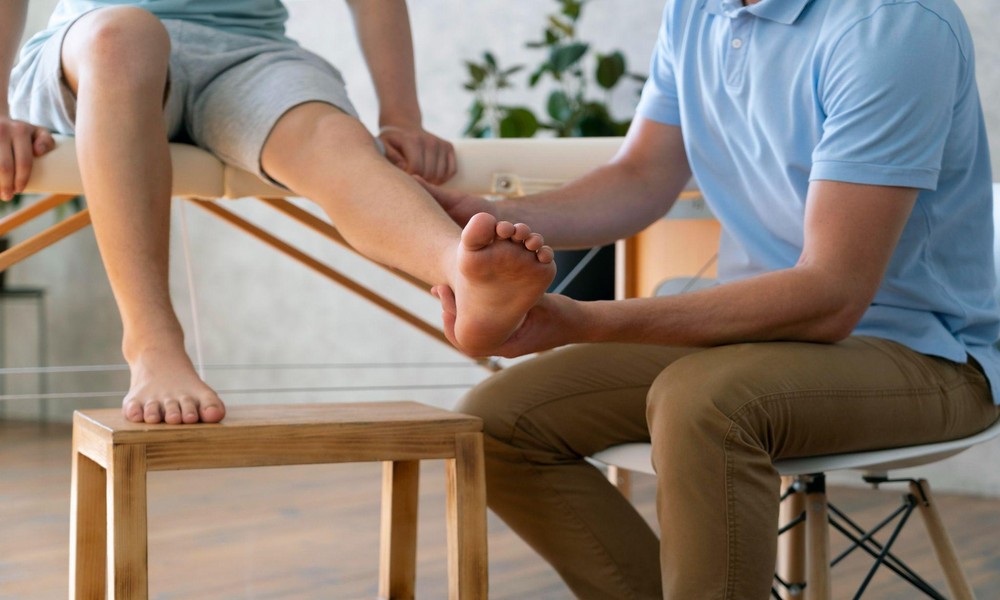
The primary advantage of a medical pedicure is the initial assessment performed by a qualified professional who understands the biomechanics of your stride. During the session, the foot doctor examines your feet for signs of pressure points, circulatory issues, or developing deformities like bunions. Unlike a salon staff member, a specialist can tell if your hard skin results from your choice of footwear or a structural imbalance in your gait. This insight allows them to provide a medical pedicure that not only removes the hard skin but also addresses the cause of its formation. This level of scrutiny ensures that any minor skin breaks or fungal patches receive immediate and appropriate medical attention.
2. Sterile Environment and Surgical Grade Tools
One of the most significant concerns in many public nail spas is the risk of infection from tools that have not been properly cleaned between clients. A medical pedicure takes place in a clinical setting where every blade, file, and nipper goes through an autoclave for total sterilisation. Your foot doctor uses surgical-grade instruments that allow for much finer precision when trimming nails or debriding dead skin. Because a medical pedicure avoids the use of communal water basins, it significantly lowers the risk of contracting warts or athlete’s foot. You can sit back with total peace of mind, knowing that your safety remains the top priority throughout the procedure.
3. Effective Treatment for Corns and Calluses
While a beauty therapist might use a pumice stone or a simple foot file, a medical pedicure involves the skilled use of a scalpel to remove layers of dead skin safely, enabling the foot doctor to target the core of a painful corn without damaging the healthy tissue surrounding it. Many people find that the relief from a medical pedicure lasts much longer because the specialist removes the entire obstruction rather than just smoothing the surface. This deep cleaning prevents the buildup of thick skin that often leads to painful fissures or cracks on the heels. Regular sessions ensure that your skin remains supple and resistant to the friction caused by daily walking on hard Singaporean pavements.
4. Expert Management of Ingrown Toenails
Cutting your nails too short or in the wrong shape can quickly lead to the sharp edges piercing the surrounding skin, causing significant pain and swelling. A medical pedicure includes professional nail shaping that encourages the nail to grow straight and clear of the nail folds. If you already suffer from a mild ingrown nail, the foot doctor can gently clear the offending edge and treat the area to prevent infection. The specialist also thins out thickened nails that might otherwise be impossible to clip with standard home tools, ensuring that your nails remain healthy and do not put undue pressure on your toes while wearing shoes.
5. Long-Term Preventive Foot Care Education
The final benefit of choosing a clinical treatment is the personalised advice you receive regarding your daily habits and footwear choices. After your medical pedicure, the foot doctor will recommend specific creams or sprays that suit your skin type and address any recurring issues. They might suggest simple stretching exercises or even different types of socks to help manage moisture and reduce friction throughout the day. This educational aspect of a medical pedicure empowers you to take better care of your feet between clinical visits. This proactive partnership between you and your specialist ensures that your feet stay in peak condition for a lifetime of activity.
Conclusion
Caring for your feet is an essential part of maintaining your overall health and ensuring you can stay active in your later years. By opting for a medical pedicure, you choose a path that combines the aesthetic benefits of grooming with the rigorous safety standards of a medical clinic. The expertise provided by a foot doctor ensures that every aspect of your foot health receives the attention it deserves, from the tips of your toes to the base of your heels. You no longer have to settle for superficial treatments that ignore the underlying causes of your discomfort. Instead, you can enjoy the lasting relief and pristine hygiene that only a clinical setting can provide. As you incorporate this specialised care into your routine, you will notice a significant improvement in the way your feet feel and function. Your journey toward better health starts from the ground up, and a professional approach to foot care is the surest way to get there.
Contact Fine Podiatry Clinic to book your professional assessment and clinical treatment.