

Key Takeaways
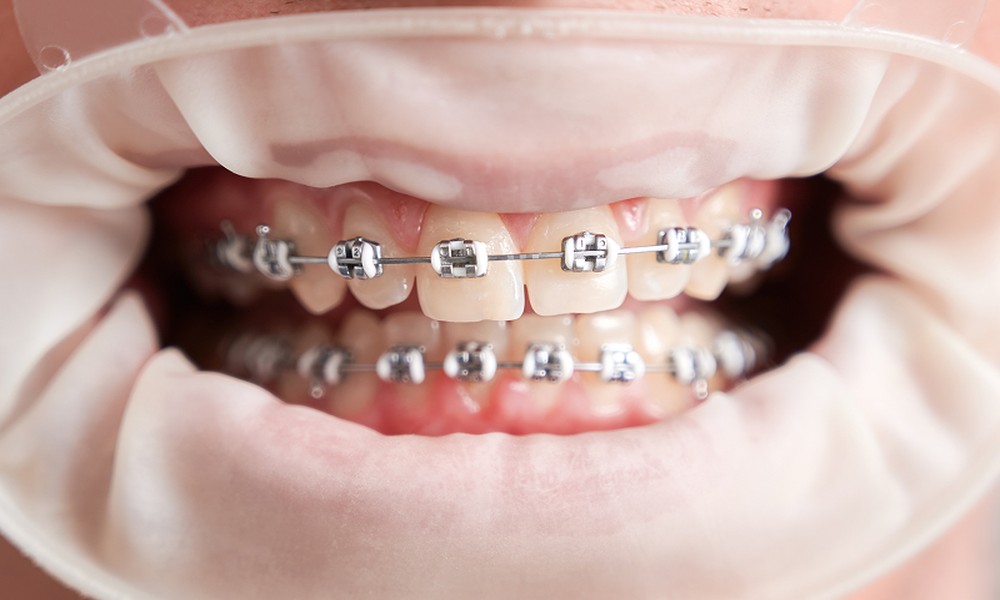
- Damon braces introduce a self-ligating system that reduces friction during tooth movement.
- Many orthodontists use this system to improve comfort and treatment efficiency.
- Patients visiting an orthodontist clinic in Singapore increasingly explore Damon braces as a modern-day alternative to traditional braces.
- Proper consultation remains essential because treatment outcomes depend on individual dental conditions.
Introduction
Orthodontic technology continues to evolve, and some inventions have significantly changed how dentists approach teeth alignment. Among these developments, Damon braces have emerged as one of the more widely discussed orthodontic systems. Unlike traditional braces that rely on elastic ties to hold wires in place, Damon braces use a specialised sliding mechanism that allows teeth to move more freely. For patients exploring orthodontic treatment at an orthodontist clinic in Singapore, this approach represents a shift in how braces function. Rather than focusing solely on tightening wires to force tooth movement, Damon braces aim to guide teeth gradually using lighter forces.
Why Damon Braces Are Often Considered Today
Damon braces are frequently discussed in this context because their design affects several aspects of orthodontic care. Traditional braces rely on stronger tightening adjustments to maintain progress. In contrast, Damon braces are designed to use lighter forces that gradually guide teeth into alignment. Some orthodontists believe this approach can reduce discomfort during adjustments, although individual experiences vary.
Damon braces are typically smaller and more streamlined compared with earlier orthodontic systems. This design change may contribute to easier cleaning and less irritation inside the mouth. For patients visiting an orthodontist clinic in Singapore, these features translate into a more manageable treatment routine. Outcomes still depend on careful clinical planning and patient cooperation.
Efficiency in Orthodontic Treatment
Damon braces aim to improve this process by reducing the mechanical resistance between the wire and bracket. Because the wire can slide more freely, orthodontists can make adjustments using lighter forces while still guiding teeth gradually into alignment. This design may also reduce the number of adjustments required during treatment.
Dental professionals at an orthodontic clinic in Singapore typically emphasise that no orthodontic system guarantees identical timelines for every patient. Factors such as jaw development, tooth spacing, and bite alignment all influence treatment duration. However, the mechanical design of Damon braces allows orthodontists to explore treatment strategies that prioritise gradual and controlled tooth movement.
Aesthetic Considerations and Everyday Comfort
Many versions of Damon braces are designed with a lower profile compared with traditional braces, meaning they sit closer to the tooth surface. Some variants also use clear or tooth-coloured brackets, making them less noticeable. For adults and older teenagers who may feel self-conscious about visible braces, this can be an appealing option.
Comfort also plays a role. Because Damon braces do not rely on elastic ties, there are fewer components that can trap food or plaque. This simplified design may make cleaning slightly easier. Maintaining good oral hygiene remains essential regardless of the orthodontic system used. Patients seeking treatment at an orthodontist clinic in Singapore discuss these lifestyle considerations during their consultation.
The Role of the Orthodontist in Damon Treatment
While Damon braces introduce a different bracket system, the expertise of the orthodontist remains the most important factor in successful treatment. Orthodontics involves detailed planning based on dental structure, facial balance, and bite alignment. During the initial assessment at an orthodontist clinic in Singapore, dentists evaluate X-rays, dental impressions, and photographs to design a personalised treatment plan.
In some cases, traditional braces or alternative orthodontic systems may still be recommended. Each patient’s dental structure is unique, and orthodontists choose treatment methods based on clinical suitability. Therefore, the effectiveness of Damon braces depends on the technology, professional expertise and careful monitoring throughout the treatment process.
Long-Term Outcomes and Orthodontic Stability
Retention is a critical stage that ensures teeth remain in their corrected positions. After completing treatment with Damon braces, patients typically receive retainers to maintain alignment. Long-term stability depends on consistent retainer use and regular dental check-ups. Regardless of the system used, teeth naturally shift over time if retainers are not worn as instructed.
Patients who complete treatment at an orthodontist clinic in Singapore often follow structured retention plans that include periodic reviews. These follow-ups allow orthodontists to monitor stability and address any minor adjustments early. Understanding this long-term commitment helps patients approach orthodontic treatment with realistic expectations.
Conclusion
Orthodontic care continues to evolve as new technologies and treatment philosophies emerge. Damon braces illustrate how engineering improvements can reshape traditional systems, offering an alternative approach to tooth alignment. For individuals considering orthodontic treatment, exploring options such as Damon braces during a consultation can provide valuable insight into how modern orthodontics works. An experienced orthodontist in Singapore can evaluate whether this system fits your dental condition and treatment goals.
If you are curious about how self-ligating braces could influence your orthodontic journey, enquire at Align Braces Clinic today.