

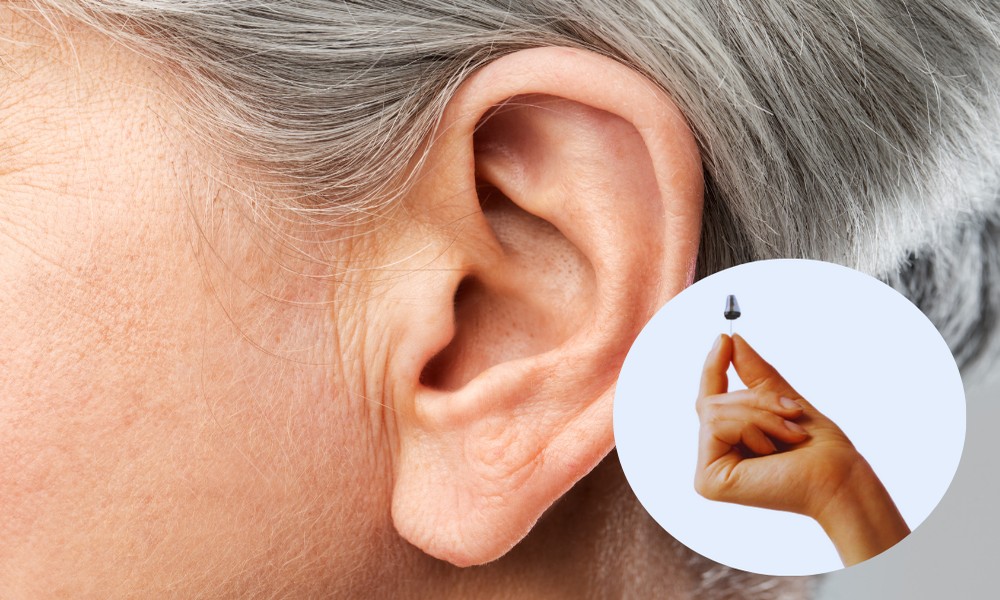
For a long time, hearing aids carried a certain image-functional, noticeable, and often associated with ageing. While they served an important purpose, many people hesitated to use them due to how visible they were and what they seemed to represent. Today, that perception is shifting. Advances in design and technology have introduced the nearly invisible hearing aid, allowing users to address hearing challenges without drawing attention to the device itself. This change is not just about aesthetics; it is reshaping how people feel about hearing support altogether.
One of the most significant impacts of these smaller devices is the way they reduce stigma. When a hearing aid is barely noticeable, it becomes easier for individuals to prioritise their needs without worrying about how they are perceived. This can make a meaningful difference, particularly for those who may have delayed seeking help due to concerns about appearance. By removing that barrier, more people are open to improving their hearing and, in turn, their quality of life.
Confidence plays a central role in this shift. Feeling comfortable in social situations often depends on both how we communicate and how we believe we are being perceived. A discreet device allows users to engage more naturally, without the self-consciousness that can come from wearing something highly visible. Over time, this can lead to more active participation in conversations, social events, and everyday interactions.
Of course, the appeal of a nearly invisible hearing aid goes beyond its subtle appearance. Despite their size, these devices are designed to deliver effective performance. They are built to amplify sound clearly while minimising background noise, helping users focus on what matters most in different environments. This balance between form and function is what makes them particularly appealing-users do not feel as though they are sacrificing performance for discretion.
Another factor influencing this change in perception is how these devices fit into modern lifestyles. Today’s users expect technology to be seamless and unobtrusive, whether it is a smartphone, wearable device, or hearing aid. Nearly invisible options align with this expectation, offering support without disrupting daily routines. They are easy to wear, comfortable for extended use, and designed to adapt to a variety of situations.
There is also a broader cultural shift at play. Conversations around health and wellbeing have become more open, and people are increasingly willing to explore solutions that enhance their daily lives. Hearing care is becoming part of that conversation, and the availability of more discreet options is helping to normalise it further.
As these devices become more common, the narrative around hearing aids continues to evolve. They are no longer seen as something to hide, but rather as a practical tool that can be as subtle or visible as the user prefers. This change reflects a deeper understanding of what people want-not just functionality, but a solution that fits comfortably into their identity and lifestyle.
In the end, the impact of these innovations extends beyond the technology itself. By changing how hearing aids look and feel, they are also changing how they are perceived. And in doing so, they are encouraging more people to take that step toward better hearing with confidence.