

You may have noticed small things that do not seem urgent on their own. Your child chews on one side, breathes through the mouth at night, or complains that the front teeth feel “funny” when biting into food. Maybe you have seen crowded teeth coming in and wondered if it will sort itself out. That uncertainty can sit in the back of your mind for months, especially when nothing looks like a true emergency. A Guelph general dentist can help assess these early signs and offer guidance on what to watch for next.
Early bite problems often start quietly. A family dentist can spot those changes before they turn into jaw pain, uneven tooth wear, speech issues, or treatment that becomes longer and more expensive later. How Family Dentists Help Identify Bite Issues Early comes down to regular exams, growth tracking, and knowing when a child or adult needs closer orthodontic evaluation.
Family dentists often spot bite problems before they become harder to treat
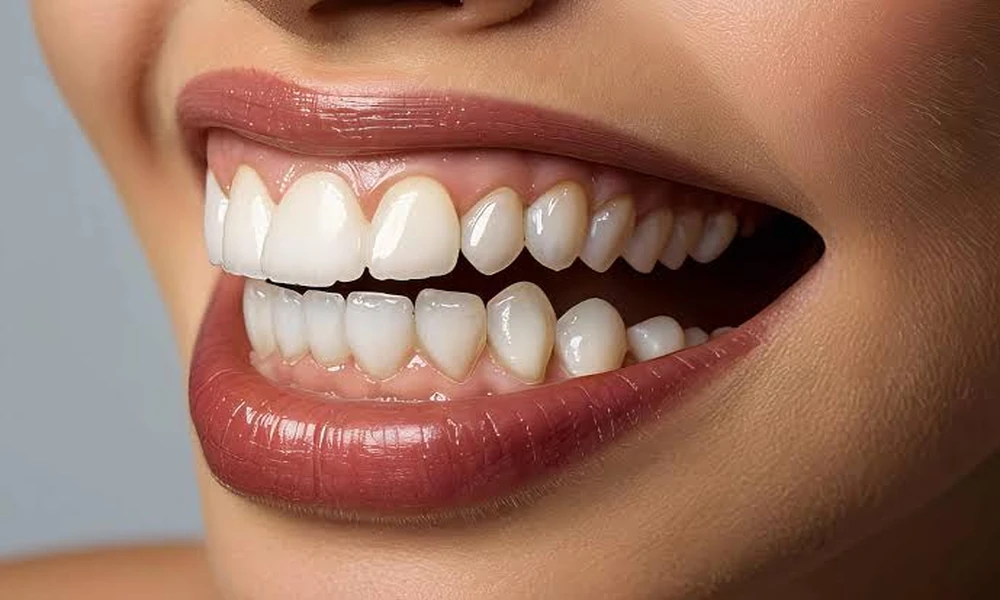
A bite issue means the teeth and jaws are not lining up the way they should. You might hear terms like overbite, underbite, crossbite, open bite, or crowding. The medical term orthodontia covers the diagnosis and treatment of these alignment problems.
Many people assume bite issues are only about appearance. They are not. A poor bite can affect chewing, speech, breathing habits, jaw comfort, and how quickly teeth wear down. In some cases, children begin compensating without realizing it. They shift the jaw to close the mouth, avoid certain foods, or grind at night. Those patterns can become normal for them, which makes the issue easier to miss at home.
Family dentists see patients regularly over time, and that matters. They are in a good position to notice when adult teeth are erupting out of sequence, when the upper and lower arches are narrowing, or when the bite is changing as the face grows. That continuity is one reason early bite issue detection by a dentist can make such a difference.
Small signs of malocclusion often show up in daily life first
You do not need a dramatic symptom for a bite problem to be real. Some of the earliest signs are easy to brush off because they look like normal childhood quirks or mild discomfort. A child may bite the inside of the cheek often, struggle with certain sounds, or keep the lips apart at rest. An adult may notice headaches in the morning, worn edges on the teeth, or a sense that the bite “doesn’t fit” the same way it used to.
These issues can connect to malocclusion, which is the general term for misaligned teeth or a poor bite. Family dentists check more than cavities during routine visits. They look at how the teeth meet, whether the jaw moves smoothly, how the bite distributes pressure, and whether oral habits like thumb sucking or tongue thrust may be shaping the mouth over time.
That early view matters because growth does not wait. If a jaw is developing too narrow, or if crowding is getting worse as adult teeth come in, delaying evaluation can reduce the simpler options that may have been available earlier. This does not mean every child needs braces right away. It means a dentist can tell the difference between “watch this” and “act on this.”
Family dental care helps connect symptoms to the bite
People often seek help for the side effects first. They come in for a chipped tooth, tooth sensitivity, clenching, or soreness near the jaw joint. In children, parents may ask about snoring, mouth breathing, or speech concerns. A family and cosmetic dentist can connect those dots and see whether the bite is part of the problem.
Jaw discomfort can overlap with temporomandibular joint disorders, especially when the bite places uneven stress on the muscles and joints. Not every sore jaw means a major disorder, but repeated strain is worth attention. If a tooth is hitting too early, if grinding is flattening the bite, or if the jaw shifts to close comfortably, those details can guide the next step.
This is where early orthodontic problem screening becomes practical, not cosmetic. It can protect teeth from damage, reduce strain on the jaw, and give families clearer timing for treatment.
Early bite issue detection can reduce bigger problems later
| What a Family Dentist May Notice Early | What Can Happen If It Is Ignored | Possible Early Response |
|---|---|---|
| Crowding as adult teeth erupt | Teeth become harder to clean, overlap more, or need more complex alignment later | Monitor growth, take images, refer for orthodontic evaluation at the right time |
| Crossbite or jaw shift when closing | Uneven wear, jaw strain, facial growth changes | Track bite changes and coordinate early interceptive care |
| Open bite linked to thumb sucking or tongue thrust | Speech concerns, chewing trouble, front teeth not contacting properly | Habit counseling and timely referral if the bite is changing |
| Night grinding or uneven tooth wear | Chipping, sensitivity, muscle tension, headaches | Evaluate the bite, discuss protection, and check jaw function |
| Mouth breathing and narrow arches | Crowding, poor oral posture, ongoing bite development issues | Assess oral development and recommend further evaluation when needed |
What you can do right now if you suspect a bite problem
Pay attention to patterns, not one off moments. Notice whether chewing is uneven, teeth are wearing down, the jaw clicks often, or your child keeps the mouth open at rest. A single odd bite one day may mean nothing. A repeated pattern gives your dentist something useful to evaluate.
Bring photos, questions, and timing to the appointment. If you have noticed crowding getting worse over six months, say that. If your child grinds at night or avoids crunchy foods, mention it. These details help a dentist compare growth and function, not just what shows up in a quick exam.
Keep regular dental visits even when there is no pain. Bite issues often progress without obvious discomfort. Routine exams are where a family dentist is most likely to catch subtle changes early, before they lead to bigger treatment needs.
Early guidance gives you more options and less guesswork
You do not need to wait for a severe problem to take a bite concern seriously. If something feels off, or if your child’s teeth and jaw seem to be developing in a way that worries you, getting it checked can replace a lot of quiet stress with a clear plan. Early attention does not always mean immediate treatment. Often, it means watching the right things at the right time so you are not caught off guard later.
A family and cosmetic dentist can help you understand what is normal, what needs monitoring, and when a referral makes sense. That kind of guidance can save time, money, and discomfort down the road.