

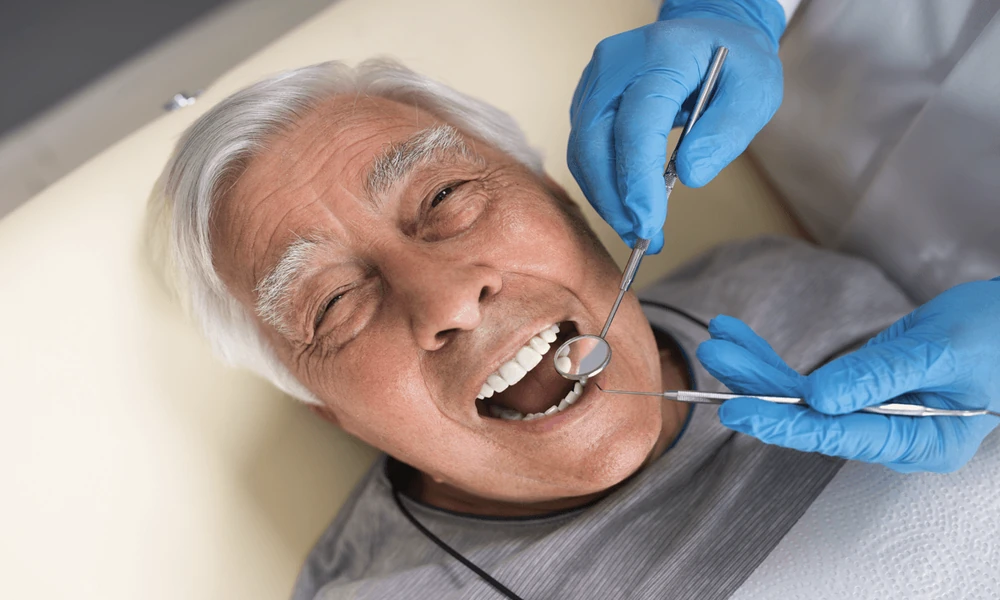
You bite down and something feels off. Maybe it was a hard piece of bread, maybe a popcorn kernel, maybe you have been clenching your jaw for months without noticing how much strain your teeth were taking. Now one part of the tooth feels sharp, tender, or weak, and you are stuck wondering whether this is a small fix or the start of a much bigger problem. A Southwest Calgary dentist can help determine what is going on and what treatment may be needed.
A fractured tooth cusp often sits in that uneasy middle ground. The tooth may not look destroyed, but it does not feel safe anymore. An onlay can be a strong option because it covers and protects the broken part without removing as much healthy tooth structure as a full crown. If you are weighing treatment, the right next step is asking clear questions about damage, durability, cost, and what happens if you wait.
A Fractured Tooth Cusp Can Worsen Quickly Without the Right Repair
A cusp is one of the pointed chewing surfaces on a back tooth. When one fractures, the damage can range from a small chip to a larger break that leaves the tooth unstable. You may notice pain when chewing, sensitivity to cold, or a feeling that the tooth flexes under pressure. Sometimes there is no pain at all, which can make it easy to put off care.
That delay is where trouble starts. A broken cusp can keep cracking under normal biting forces. Food and bacteria can work their way into weak areas. What might have been repaired with an onlay can turn into a need for a crown, root canal, or extraction if the fracture spreads too deep. According to MedlinePlus information on cracked and broken teeth, early treatment helps reduce the chance of deeper damage and infection.
This is also where daily habits matter. If you grind or clench your teeth, the pressure can be intense, especially on molars that already have large fillings or thin remaining walls. The National Institute of Dental and Craniofacial Research explains bruxism as a habit that can wear down and damage teeth over time. If that sounds familiar, it is worth bringing up before any repair is chosen, because the restoration needs to stand up to your real bite, not an ideal one.
The Right Questions Help You Decide Whether an Onlay Fits Your Tooth
The first question is simple. How much of the tooth is actually damaged? An onlay works best when the fracture affects one or more cusps but the tooth still has enough healthy structure to support a bonded restoration. If the crack runs below the gumline or into the root, an onlay may not be enough.
The second question is whether the nerve is involved. A fractured cusp may look manageable from the outside, but deep pain, lingering sensitivity, or swelling can point to pulp irritation. If the nerve has been compromised, root canal treatment may need to happen before the tooth is restored.
The third question is whether an onlay will protect the tooth better than a filling. Large fillings can work for smaller areas, but they do not always reinforce a weakened cusp. An onlay covers the damaged chewing surface and spreads biting forces more evenly. For many patients, that is the difference between a repair that lasts and one that keeps breaking down.
The fourth question is what caused the fracture in the first place. A repair is only part of the plan if the deeper issue is still there. Bite imbalance, nighttime grinding, old decay under a filling, or repeated stress from hard foods can all shorten the life of a restoration. This is why repairing a fractured tooth cusp with an onlay is not just about patching a spot. It is about stabilizing the whole situation.
An Onlay Often Preserves More Tooth Than a Crown While Giving More Support Than a Filling
People often hear “onlay” and are not sure how it differs from a crown. The easiest way to think about it is coverage. A filling replaces a smaller missing area. An onlay replaces and protects a larger damaged section, usually including one or more cusps. A crown covers the entire visible tooth.
If your dentist is talking about an onlay, that usually means the tooth is damaged enough to need support, but not so damaged that full coverage is the only option. That can be good news. Preserving healthy enamel matters because bonded restorations tend to perform best when they can attach to strong natural tooth structure.
| Option | Best Use | Tooth Structure Removed | Support for Fractured Cusp |
|---|---|---|---|
| Filling | Small to moderate defect | Least | Limited if cusp is weakened |
| Onlay | Broken or weakened cusp with healthy remaining tooth | Moderate | Strong support with targeted coverage |
| Crown | Extensive damage or major structural loss | Most | Full coverage protection |
This is why many patients looking into tooth cusp repair with an onlay feel torn at first. They want a fix that lasts, but they also do not want more drilling than necessary. In the right case, an onlay sits in that middle space well.
Clear Next Steps Make the Decision Less Overwhelming
Ask for a precise diagnosis. You need to know whether the issue is a chipped cusp, a cracked tooth, decay under an old filling, or a fracture that reaches deeper. Ask what the X rays show, whether the nerve seems healthy, and why an onlay is being recommended over a filling or crown.
Discuss the forces on the tooth. If you grind, clench, chew ice, or have a bite that hits one tooth too hard, say it plainly. A good plan for fractured tooth repair includes the cause of the break, not just the repair itself. A night guard or bite adjustment may protect your investment and lower the risk of another fracture.
Find out what happens if you wait. Sometimes a short delay is workable. Sometimes it is risky. Ask what signs would mean the fracture is getting worse, such as increased pain, swelling, temperature sensitivity, or a larger piece breaking off. That answer can make the decision feel much less abstract.
Protecting the Tooth Early Often Means a Simpler Repair
A fractured cusp can feel easy to minimize, especially if the pain comes and goes. Teeth do not usually heal that kind of structural damage on their own. When an onlay is the right fit, it can restore strength, preserve more natural tooth than a crown, and help you chew without that constant worry that something else is about to crack.
If you are dealing with a broken chewing surface or trying to decide between a filling, onlay, or crown, schedule an evaluation with a general and cosmetic dentist. A clear diagnosis now can spare you a much harder repair later.