

Key Takeaways
- Difficulty with daily movements may indicate declining mobility.
- Frequent falls or balance problems should not be ignored.
- Recovery after surgery or illness often requires rehabilitation support.
- Persistent pain and stiffness can affect independence.
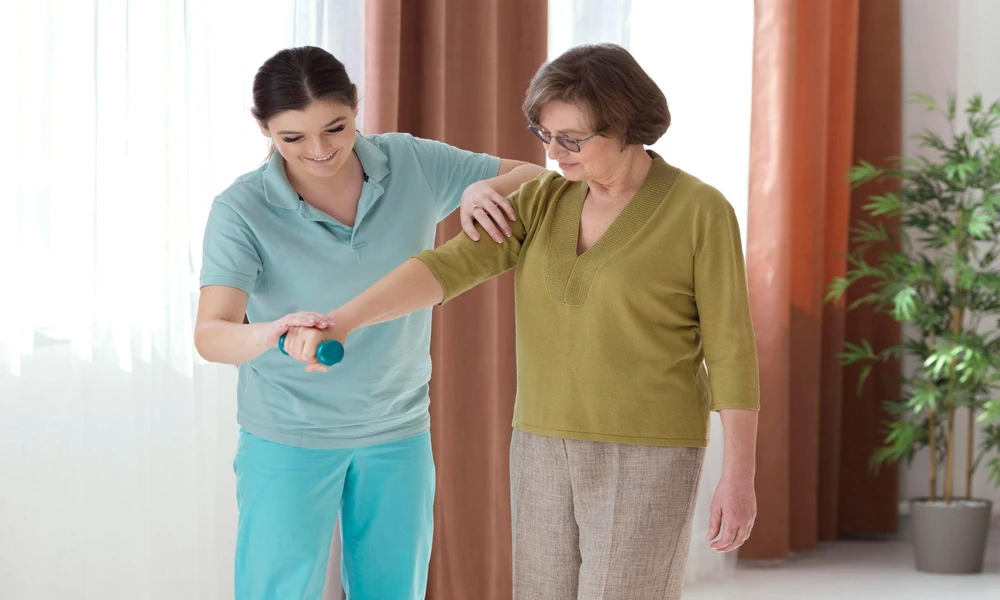
- Home-visit physiotherapy allows treatment in a familiar environment.
- Elderly home care services can be complemented by physiotherapy interventions.
Introduction
Ageing can bring physical changes that affect mobility, balance, strength, and overall function. While some changes are expected, others may indicate the need for professional rehabilitation. Identifying these signs early can help older adults maintain independence and reduce the risk of further physical decline. For families seeking practical rehabilitation options, home-visit physiotherapy provides access to treatment without the need for regular travel to a clinic. Understanding the common indicators can help families determine when physiotherapy support may be beneficial.
Difficulty Performing Everyday Movements
One of the earliest signs is difficulty completing routine movements at home. An elderly person may struggle to stand up from a chair, get in and out of bed, climb stairs, or walk short distances without assistance. These changes often develop gradually and may initially appear to be normal ageing. However, reduced mobility can affect independence and increase reliance on caregivers or family members. Physiotherapists assess strength, flexibility, and movement patterns before developing exercises designed to improve function. When treatment is provided at home, the therapist can also identify environmental factors that may contribute to mobility challenges.
Frequent Falls or Balance Issues
Falls are a significant concern for older adults because they can result in injuries, hospital admissions, and reduced confidence. Even if a fall does not cause physical harm, repeated incidents often suggest underlying problems with balance, coordination, or muscle strength. Warning signs include unsteady walking, holding onto furniture while moving around the house, or avoiding activities due to fear of falling. Through home-visit physiotherapy, therapists can observe movement within the home environment and implement exercises that focus on balance, stability, and safe mobility.
Recovery After Surgery, Injury, or Illness
Older adults commonly experience reduced physical function following surgery, fractures, hospitalisation, or prolonged illness. Extended periods of inactivity can lead to muscle weakness, joint stiffness, and reduced endurance. Without rehabilitation, some individuals may struggle to regain their previous level of independence. Physiotherapy programmes are designed to support recovery through targeted exercises and movement training. Receiving treatment at home allows rehabilitation to be integrated into everyday activities while reducing the challenges associated with travelling to appointments during recovery.
Persistent Pain and Reduced Physical Activity
Chronic pain and stiffness can make everyday tasks more difficult and discourage older adults from staying active. Conditions such as arthritis, joint degeneration, and musculoskeletal disorders can affect movement and comfort. Family members may notice that an elderly relative walks more slowly, avoids certain activities, or complains about discomfort during routine tasks. Reduced activity levels can contribute to further physical decline over time. Physiotherapists assess movement limitations and develop programmes aimed at maintaining mobility, improving strength, and supporting daily function.
Declining Independence in Daily Life
A noticeable reduction in participation in household tasks, personal care activities, or social engagements may indicate underlying physical limitations. Older adults sometimes withdraw from activities because movement has become difficult, tiring, or uncomfortable. This decline can affect quality of life and increase dependence on caregivers. Families already using elderly home care services in Singapore may consider physiotherapy as part of a broader care approach. Combining physical rehabilitation with day-to-day assistance can help address both functional and practical care needs.
Conclusion
Several signs may indicate that an elderly family member could benefit from physiotherapy support, including difficulty with daily movements, frequent falls, recovery after illness or surgery, persistent pain, and declining independence. Early intervention can help address mobility limitations before they become more significant. Through home-visit physiotherapy, older adults can receive rehabilitation within their own homes, while families using elderly home care services can incorporate physiotherapy into a comprehensive care plan that supports ongoing physical function and independence.
Contact The Home Physio to determine whether a personalised physiotherapy programme is suitable for your loved one’s condition and daily care requirements.